

You have a strong concept, a solid consortium, and an innovative solution.
The work plan is coming together, the expected impacts are addressed, and the proposal is starting to take shape.
Then comes a question that evaluators increasingly care about:
How will your project ensure that its results are actually adopted and used?
Whether a project develops a new technology, methodology, policy framework, business model, or research findings, generating knowledge alone is rarely enough. Stakeholders need the skills, confidence, and practical understanding required to apply that knowledge in real-world settings.
This is where capacity building can become one of the most valuable components of a proposal.
Many proposal writers still associate capacity building primarily with Erasmus+ projects or dedicated training initiatives.
Today, however, capacity building plays an increasingly important role across Horizon Europe, CERV, AMIF, and many other funding programmes.
In some calls, training and skills-development activities are explicitly required. In others, they are not mandatory but can significantly strengthen sections related to impact, stakeholder engagement, knowledge uptake, behavioural change, replication, and long-term sustainability.
A well-designed capacity-building strategy helps answer one of the most important evaluator questions:
How will project results create change beyond the consortium?
When designing a proposal, there are three questions worth considering early in the process.
Creating results is only the first step.
If stakeholders are expected to adopt new technologies, methodologies, services, or policies, they need opportunities to understand and apply them.
This often involves developing structured learning journeys supported by educational materials such as online courses, toolkits, videos, manuals, podcasts, workshops, or practical guidance resources.
For example, within an Erasmus+ initiative focused on preparing local authorities for the future integration of Innovative Air Mobility services, Future Needs developed the Security in Innovative Air Mobility (IAM) course. The programme translates a highly technical topic into an accessible learning experience, helping participants understand drone security, regulatory frameworks, risk assessment, and mitigation strategies through structured content, educational videos, and interactive learning activities.
The objective was not simply to share information, but to help learners build the competencies required to support the safe integration of emerging air mobility services.
The same principle applies across sectors. Whether the topic is climate adaptation, health innovation, digital transformation, social inclusion, or advanced manufacturing, stakeholders are far more likely to adopt project results when they are supported through structured learning activities.

Screenshot of the Security in Innovative Air Mobility (IAM) training course, developed by Future Needs and hosted on the Future Skills Lab learning platform.
Creating educational content is only half the challenge.
Many projects invest significant effort in developing learning resources, only to discover that participation remains low or that stakeholders struggle to stay engaged throughout the learning process.
Successful capacity-building activities do more than deliver content. They create environments where stakeholders can learn, interact, collaborate, and apply knowledge in practice.
The right approach depends on the project’s objectives, target groups, and expected outcomes.
A good example comes from RECONMATIC, a Horizon Europe project focused on circular construction and construction and demolition waste management.
To support knowledge transfer and skills development, Future Needs designed and developed a dedicated learning platform that combined online courses, educational videos, assessments, progress tracking, and digital certification within a single environment.
Rather than serving purely as a dissemination channel, the platform became a core capacity-building asset that supported learning, stakeholder engagement, and the practical uptake of project results across the construction ecosystem.
Impact at a glance:
- 180+ learners enrolled
- 120+ certificates issued
- Training activities showcased across 7 countries
In an Erasmus+ initiative focused on reducing gender pay inequalities and addressing workplace stereotypes, Future Needs developed a Virtual Think Tank that enabled stakeholders to exchange knowledge, collaborate, and co-create solutions through both synchronous and asynchronous participation.
Beyond developing the platform itself, the team designed a user experience that encouraged continuous learning and dialogue around complex societal challenges.
Impact at a glance:
- 198 active users
- 26 mentors engaged
- 114 certificates issued
- Knowledge scores increased from 2.96 to 4.28 out of 5
- User satisfaction ratings of 4.61/5 for navigation and 4.46/5 for content quality
In an AMIF-funded project supporting immigrants’ financial independence and entrepreneurial capacity, Future Needs designed and delivered a Business Acceleration Programme based on experiential learning principles.
Rather than relying solely on classroom-based training, participants learned through realistic business scenarios and simulated company operations.
Impact at a glance:
- 31 participants engaged
- Participants represented 13 countries
- Activities implemented across 6 European host countries
- Significant improvements reported in entrepreneurial, communication, and problem-solving skills
Future Needs Releases a Business Acceleration Programme for Migrants
Capacity building can also extend beyond traditional training formats.
Within a CERV-funded initiative addressing online hate speech and strengthening media literacy, Future Needs contributed to the development of an online game designed to encourage critical thinking and responsible digital citizenship.
These resources were complemented by workshops and stakeholder engagement activities that brought learning into real-world settings.
Impact at a glance:
- 5,800+ users reached across Europe
- 4 dedicated workshops delivered in Cyprus
- 110 participants engaged, including educators, young people, and other stakeholders


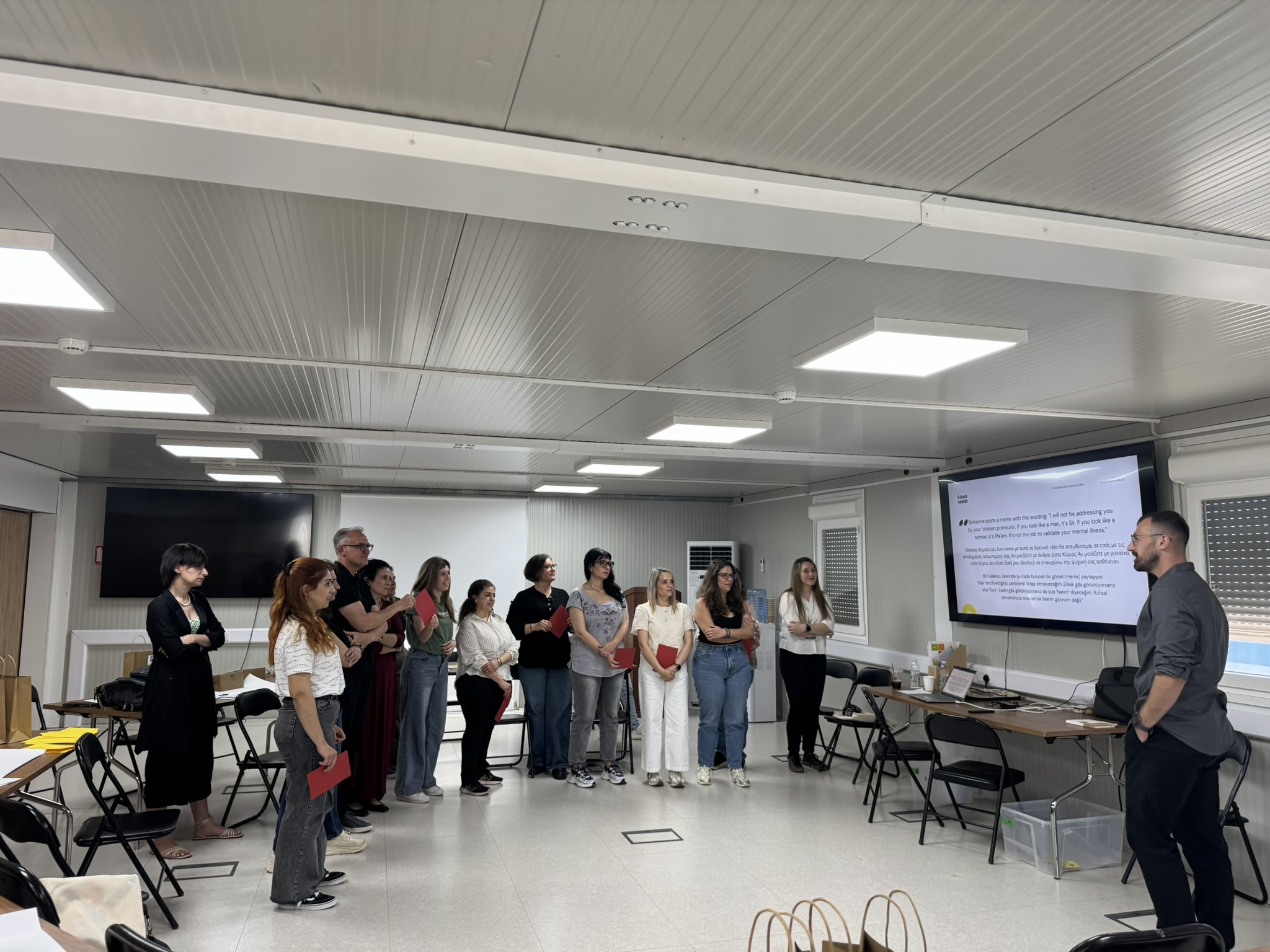
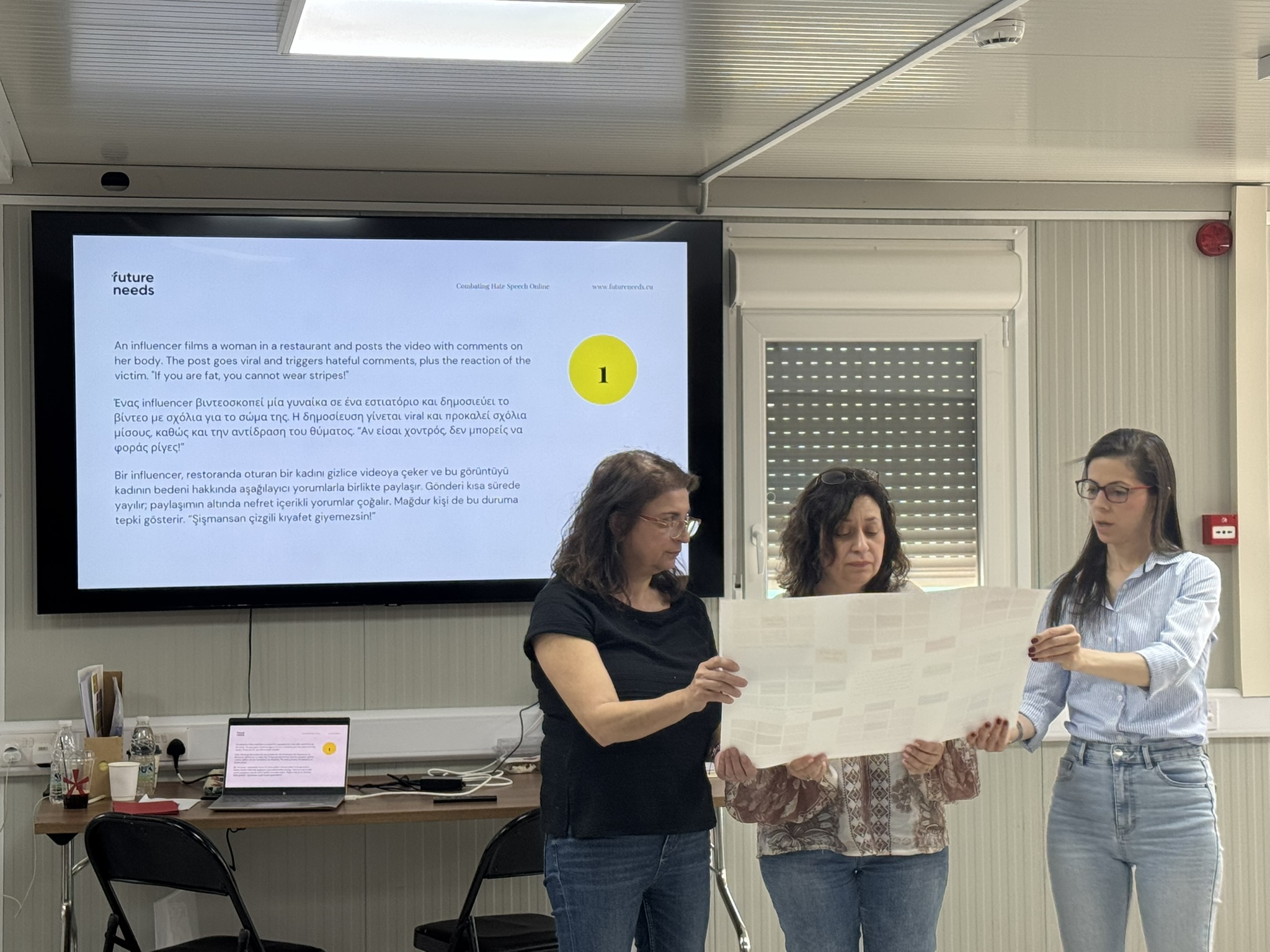
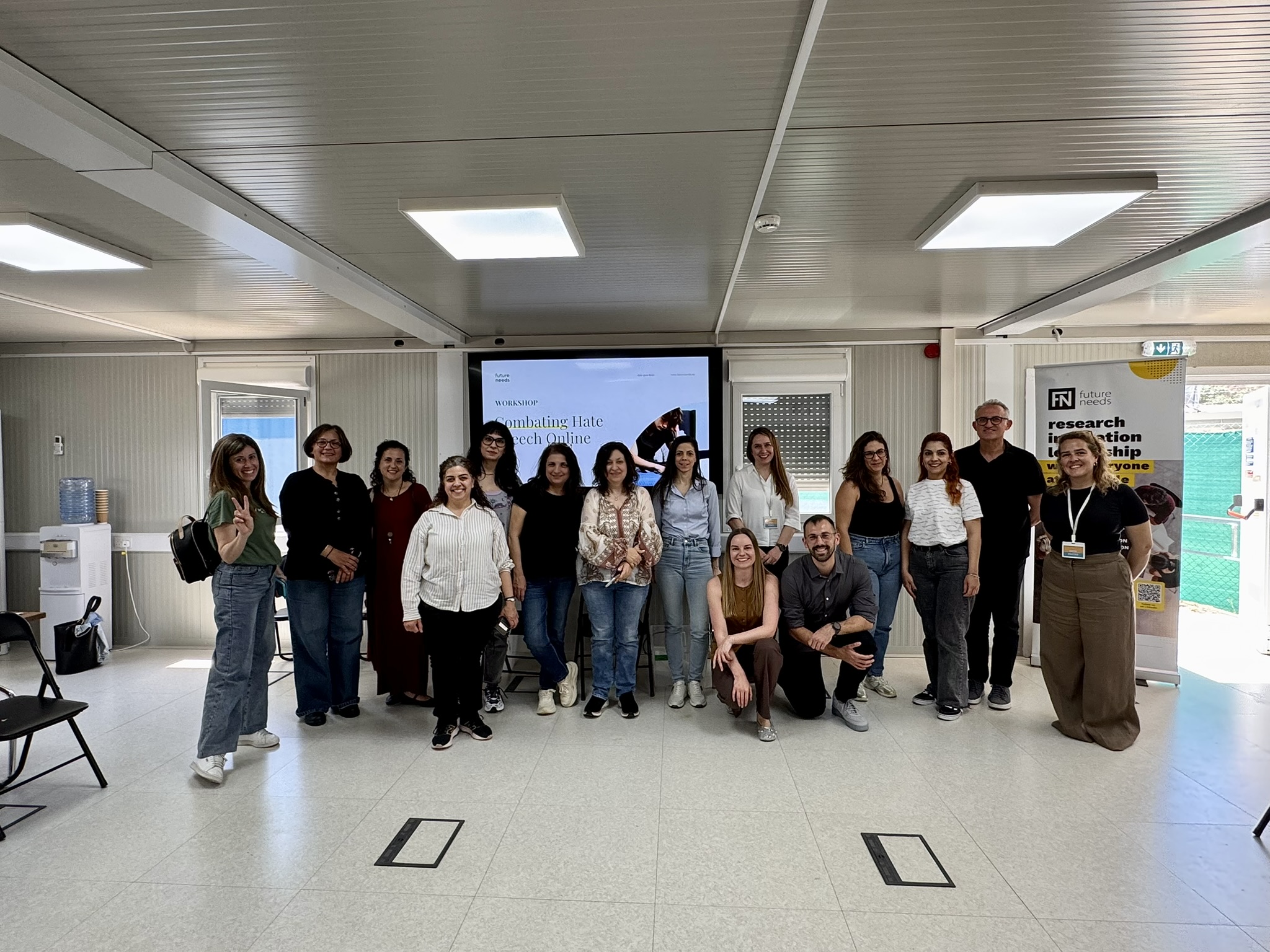
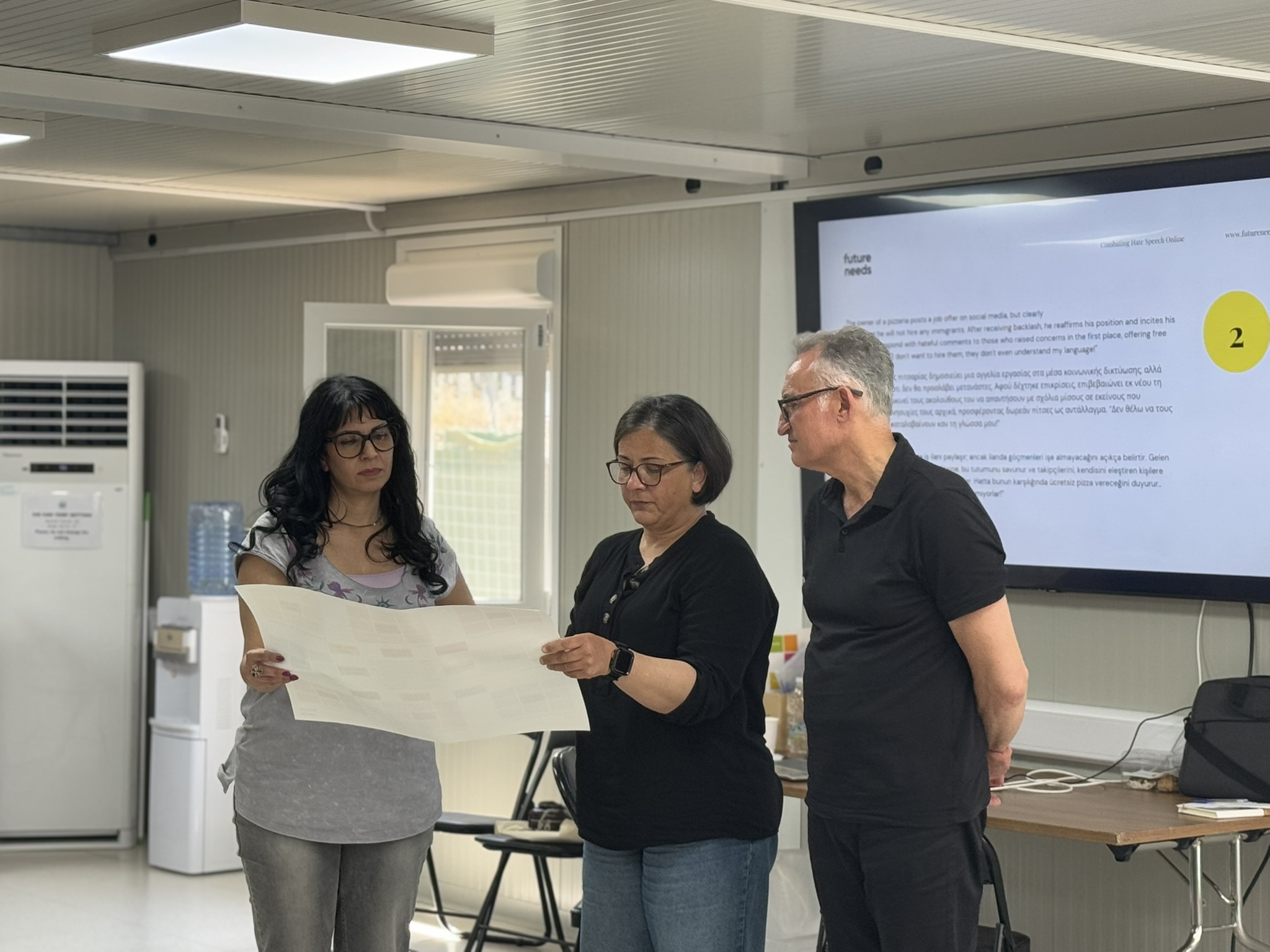
Workshops delivered by Future Needs as part of a European initiative promoting media literacy, critical thinking and responsible online behaviour among young people and educators.
Together, these examples demonstrate that successful capacity building is not defined by a specific tool or format. Online learning platforms, virtual communities, acceleration programmes, mentoring activities, workshops, games, and peer-learning environments can all contribute to stakeholder engagement when designed around the needs of the target audience.
One of the most common mistakes in proposal design is assuming that high-quality training materials will automatically attract participants and generate impact.
In reality, such activities need the same strategic thinking as any other project activity.
A strong work package should not focus solely on creating learning resources. It should also include a clear approach for stakeholder engagement, communication, dissemination, and long-term community building.
Questions worth considering include:
- How will potential learners discover the opportunity?
- What will motivate them to participate?
- How will they remain engaged throughout the learning journey?
- How will knowledge continue reaching new audiences beyond the initial training activities?
This is where complementary actions become particularly valuable.
Social media campaigns can raise awareness and encourage enrolment. Workshops can provide opportunities for hands-on learning and feedback. Communities of Practice can help stakeholders continue exchanging knowledge long after formal training activities have ended.
When designed together, these activities create pathways for the long-term adoption and use of project results.


Example of a social media campaign designed and delivered by Future Needs to promote Horizon Europe project training courses on circular construction and encourage stakeholder participation in online learning activities.
After supporting a wide range of EU-funded projects, we repeatedly observed a common challenge.
Many projects produce excellent educational content but lack a structured environment that connects learning, engagement, certification, and knowledge-sharing.
This experience led to the development of Future Skills Lab (FSL), a learning ecosystem specifically designed to support capacity-building activities in EU-funded projects. The platform combines online learning, assessments, certification, resource libraries, stakeholder engagement tools, and gamification features within a flexible environment that can be adapted to different project objectives and audiences.
For proposal writers, this offers an opportunity to go beyond describing training activities and demonstrate a concrete, ready-to-deploy ecosystem through which learning, engagement and knowledge transfer can take place.
As autumn proposal deadlines approach, now is the ideal time to think beyond training as a deliverable and consider how capacity building can strengthen your project’s impact, stakeholder engagement and uptake of results.
When reviewing a topic description, keep an eye out for keywords such as:
- Skills development
- Capacity building
- Knowledge uptake
- Stakeholder engagement
- Citizen engagement
- Replication
- Adoption of results
- Policy uptake
- Upscaling
- User-centric approaches
These often signal opportunities to strengthen a proposal through training programmes, learning platforms, workshops, communities of practice and other capacity-building activities.
Example from Climate Adaptation: (HORIZON-MISS-2026-01-CLIMA-03) Standardising and supporting climate services for climate adaptation
Deadline: 23 September 2026
Requires: the effective uptake of climate services by public authorities, financial institutions, infrastructure owners and other end-users, while supporting decision-making and policy development for climate adaptation. The topic highlights the need for user-centric and accessible climate services, collaboration with end-users and consideration of capacity-building needs to ensure that climate information can be effectively understood, applied and integrated into adaptation planning and investment decisions.
Potential capacity-building contribution: training programmes, online learning resources, communities of practice, stakeholder workshops, policy learning activities and digital learning environments can help bridge the gap between climate science and practical implementation, supporting the adoption and long-term use of standardised climate services across Europe.
Example from Climate Adaptation & Cultural Heritage: (HORIZON-MISS-2026-01-CLIMA-05) Demonstrating solutions to protect and preserve cultural heritage from the impacts of climate change
Deadline: 23 September 2026
Requires: The call requires the involvement of at least three replicating regions or local authorities that will prepare to adopt and adapt successful solutions in their own territories.
Potential capacity-building contribution: training programmes, replication toolkits, peer-learning activities, Communities of Practice and knowledge-sharing platforms can support technical exchanges between demonstration and replicating regions, accelerate knowledge uptake, and help future adopters build the skills and frameworks needed to successfully replicate project outcomes beyond the pilot sites.
Consider involving capacity-building experts from the start.
Future Needs works with consortia to identify capacity-building opportunities, design impactful learning and engagement activities, and build pathways for the long-term adoption of project results. Through Future Skills Lab, we provide a ready-to-deploy learning ecosystem that can be integrated directly into proposals, helping transform capacity building from a concept into a concrete and scalable project asset.
Contact us at proposals@futureneeds.eu to explore how capacity building can strengthen your next proposal.
1. What is capacity building in Horizon Europe projects?
2. How can capacity building strengthen the Impact section of a Horizon Europe proposal?
3. Should I include a dedicated capacity-building work package in my EU proposal?
4. What are examples of capacity-building activities in EU-funded projects?
5. How can I ensure stakeholders adopt and use project results after the project ends?

Egle Joneliunaite
Communication and Dissemination Manager with 10+ years of experience in strategic communication, digital marketing, and stakeholder engagement. Her experience spans a diverse range of sectors, including aviation, construction, healthcare, and sustainability, where she has supported research and innovation projects in enhancing their visibility, engaging stakeholders, and building active communities.

Lina Giannivasili
Innovation Project Manager and exploitation expert with extensive experience in proposal writing and project management across Erasmus+ and Horizon Europe, including Cluster 1: Health, Cluster 4: Digital, Industry & Space, Cluster 5: Climate, Energy & Mobility, and Research Infrastructures. With a background in economics and gender equality, she focuses on integrating these perspectives to maximise the societal and commercial impact of EU-funded projects.


