

When people think about Horizon Europe and other EU-funded research projects, they usually think about research, innovation and technical expertise. Visual communication rarely comes to mind.
Yet throughout a project’s lifetime, thousands of people will interact with your work long before they read a scientific publication or official deliverable. They will visit your website, scroll through your LinkedIn updates, attend your workshops, receive your brochures, download your reports and see your presentations at conferences. Every one of these interactions shapes how your project is perceived.
At Future Needs, we have supported communication and dissemination across 27+ EU-funded projects, including Horizon Europe and Erasmus+ projects. One lesson has become clear: good visual communication is not simply about making research look attractive. It helps make complex research more accessible, recognisable and easier to use.
Many projects think about branding only once. A logo is created, colours are selected, and the discussion ends. In reality, that’s only the beginning.
Throughout its lifetime, a research project will produce dozens, often hundreds, of communication assets, including:
- project visual identity
- website visuals
- presentation and deliverable templates
- brochures and factsheets
- social media graphics
- roll-ups and event materials
- infographics
- newsletters
- training materials
- videos and promotional assets
The challenge is not simply creating these materials. It is creating a consistent visual system that can work across different partners, countries, audiences and communication channels for several years.
A strong visual identity helps stakeholders recognise the project whether they encounter it at a conference, on LinkedIn, through a policy brief or on a research platform.
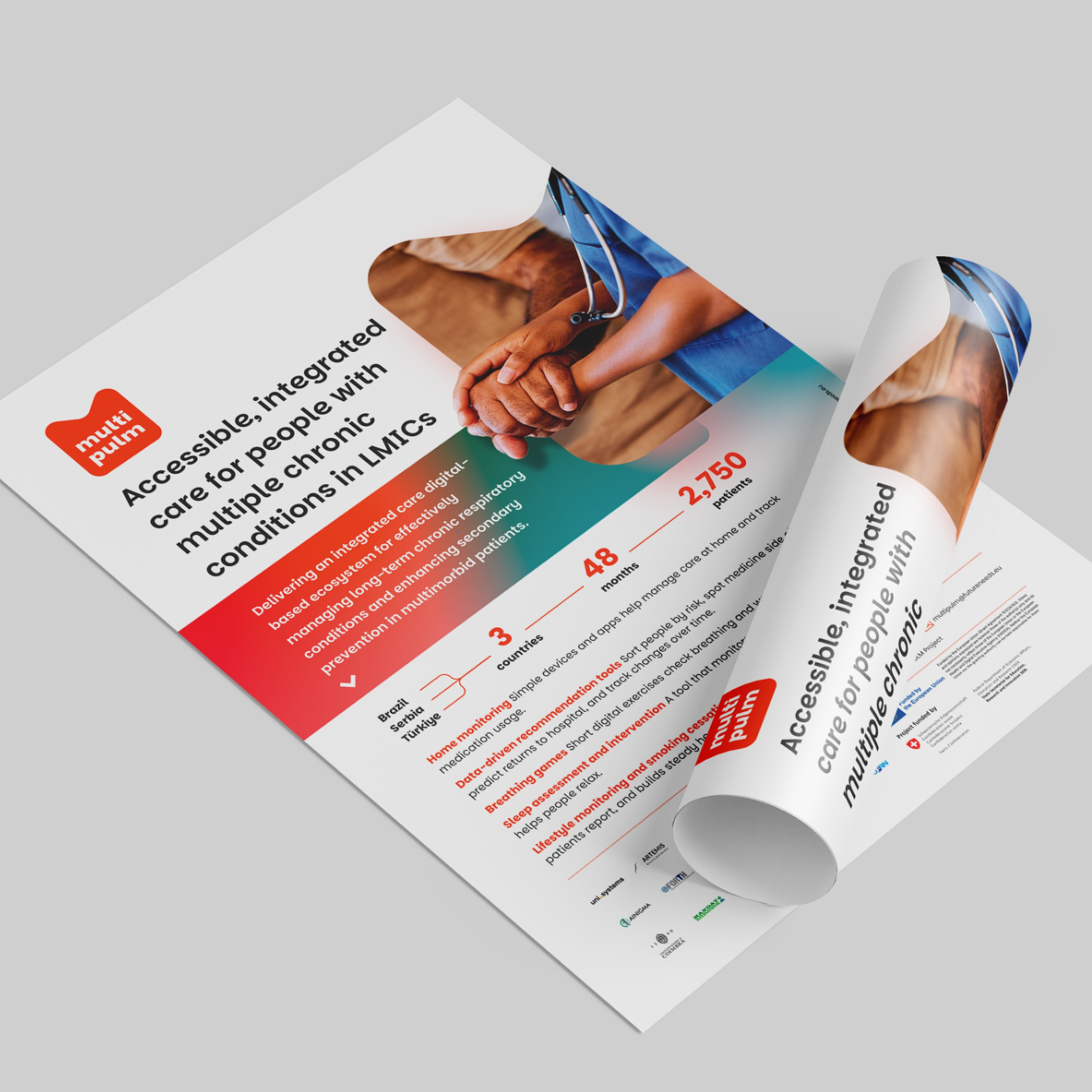
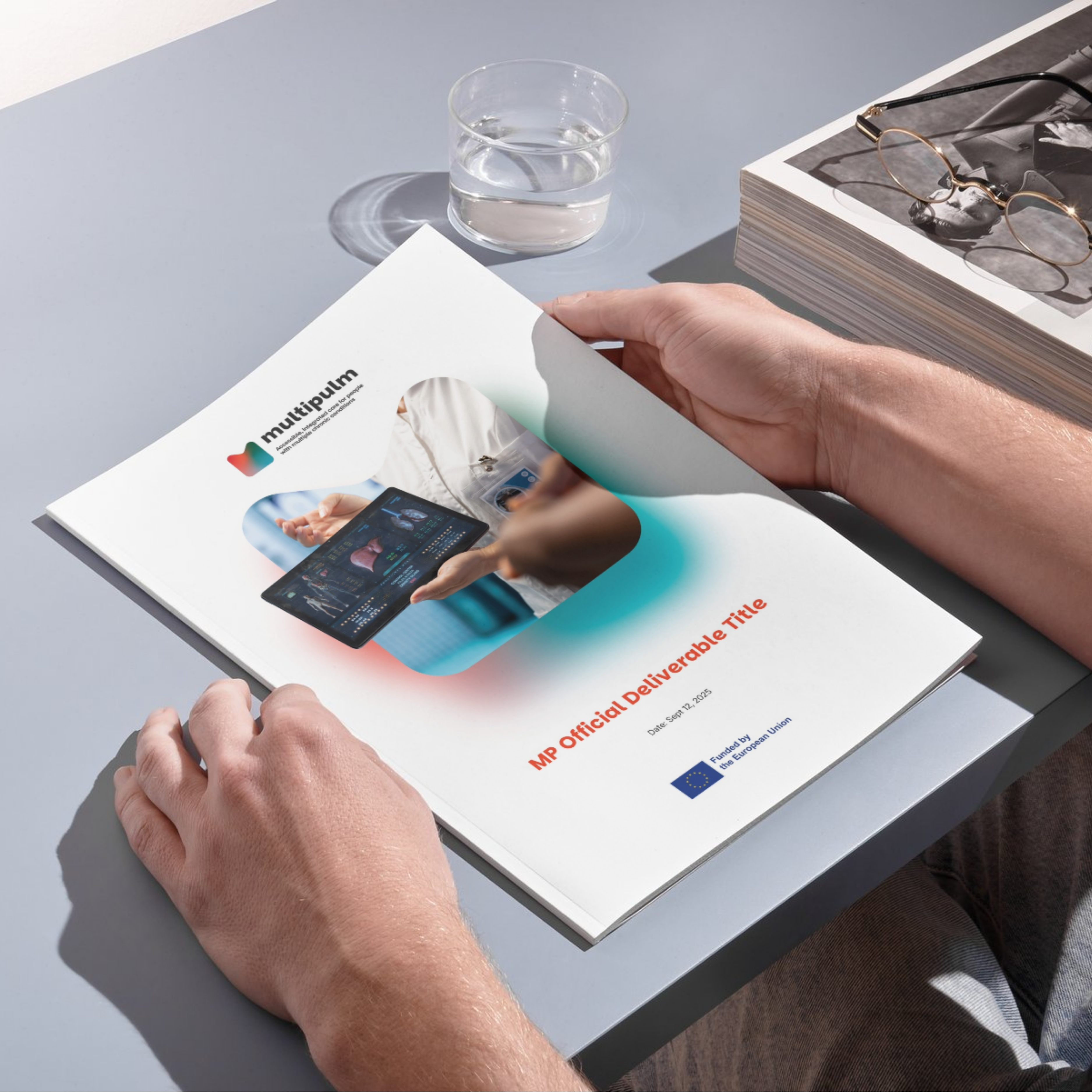
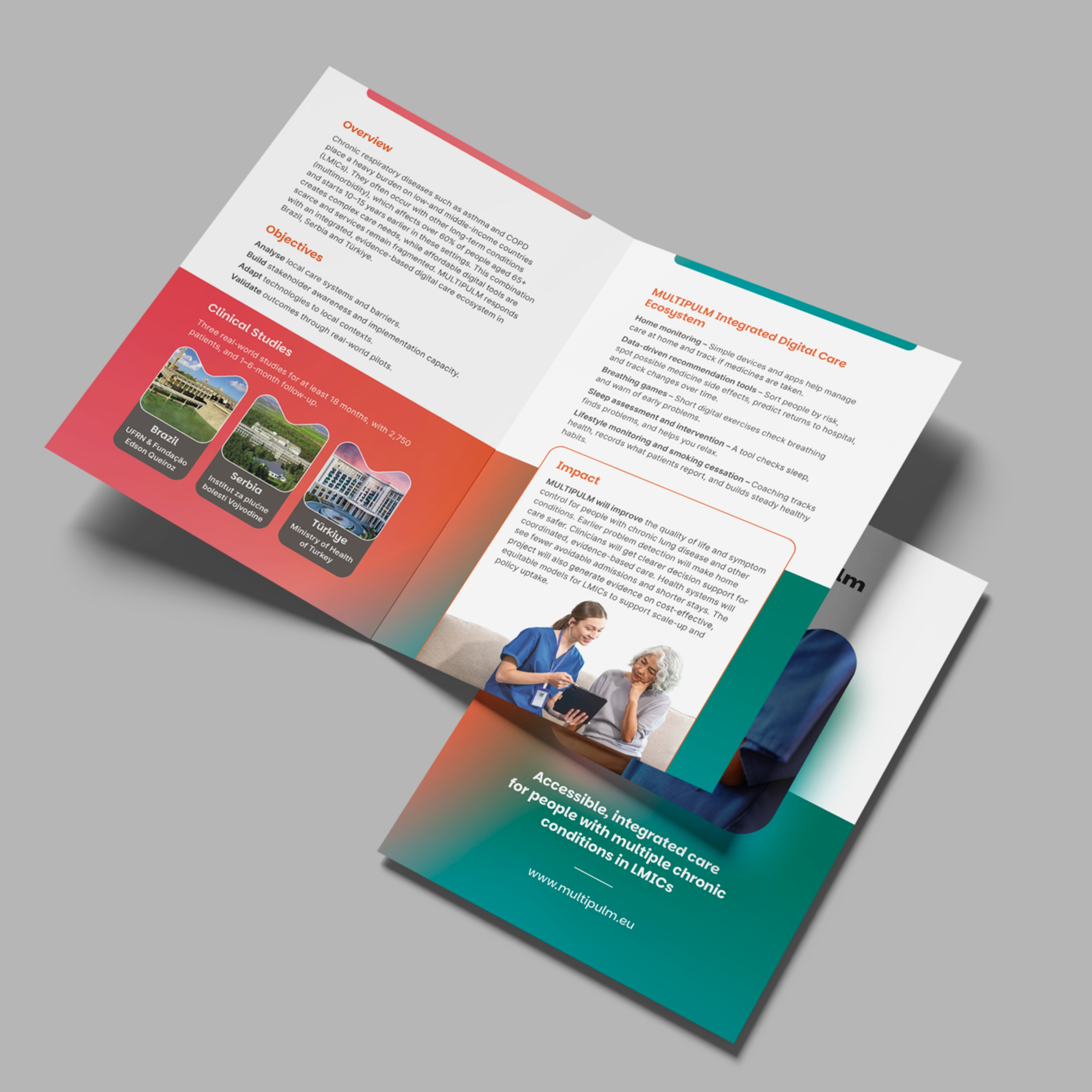
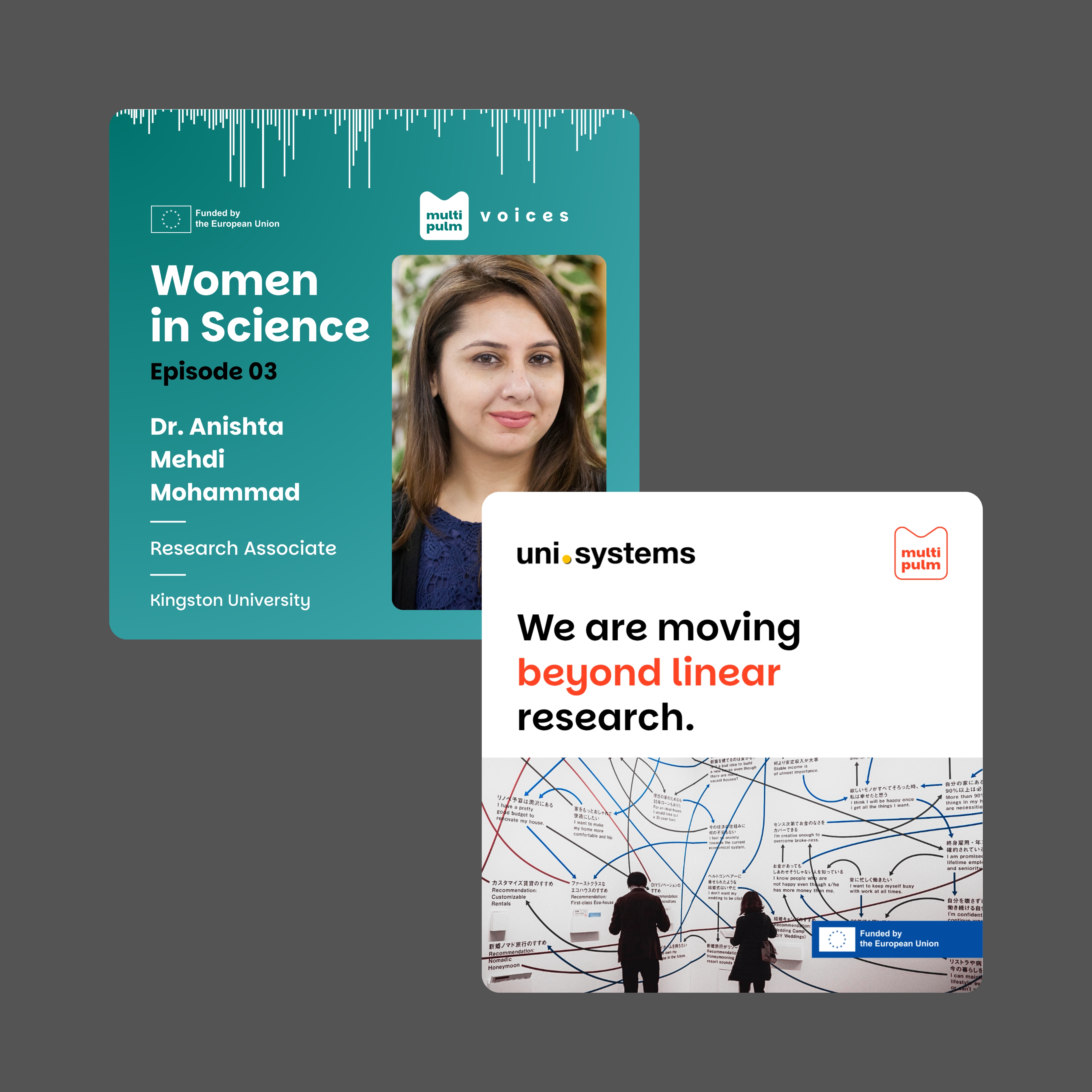
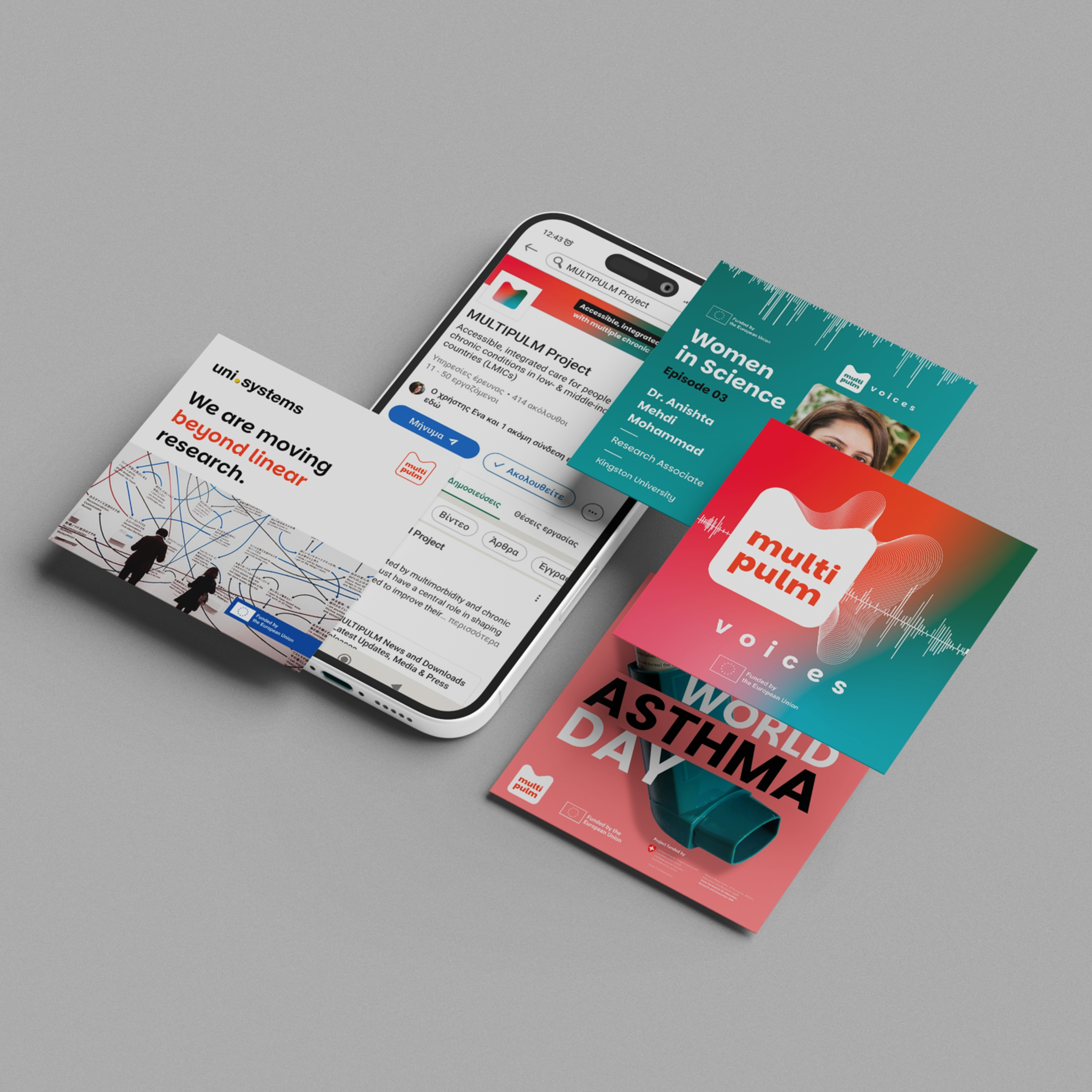
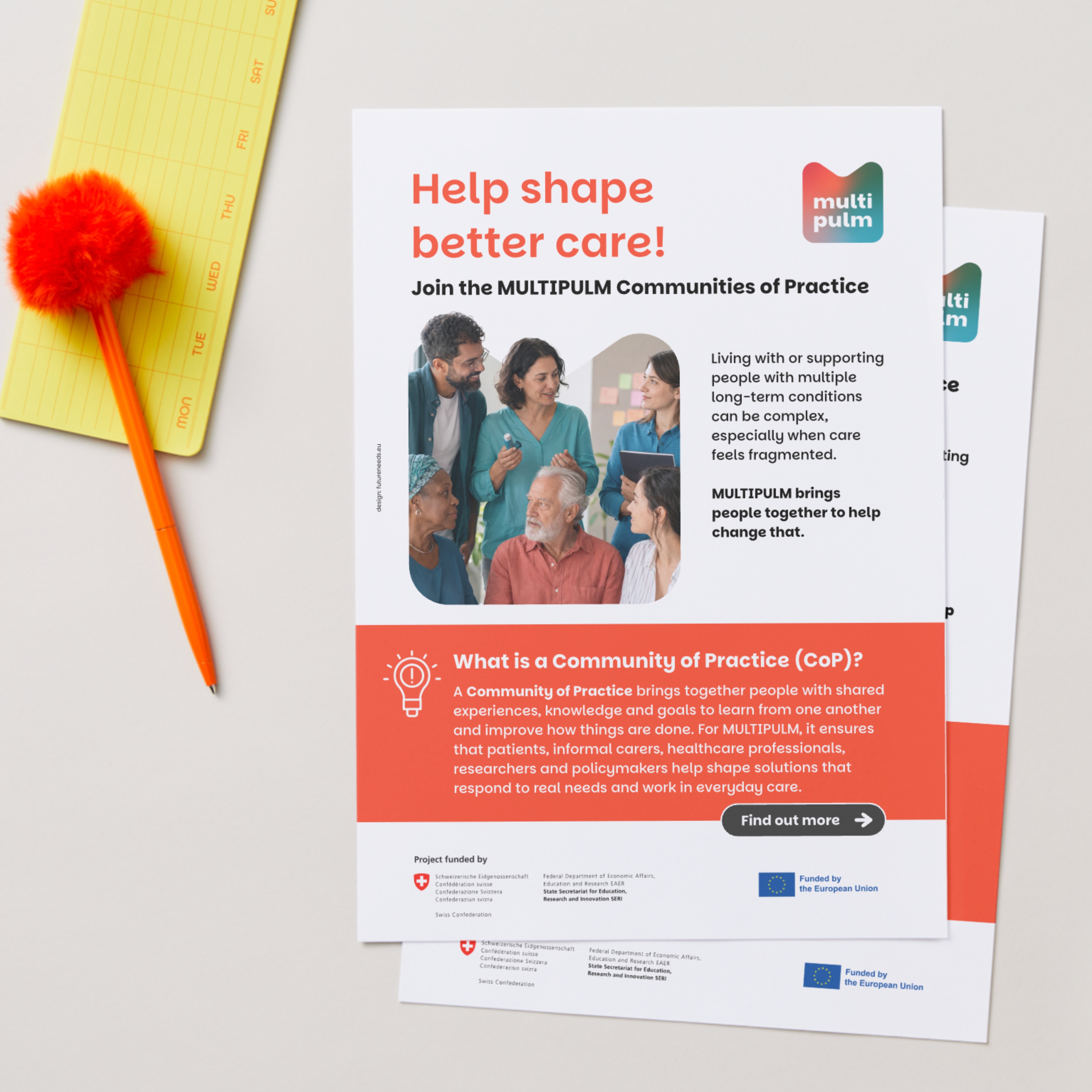
Visual communication assets created by Future Needs for the Horizon Europe project MULTIPULM, supporting accessible, integrated care for people living with multiple chronic conditions in low- and middle-income countries.
Every communication output says something about your project.
A clear presentation helps researchers explain their work. A well-designed deliverable makes complex information easier to navigate. An infographic can help policymakers understand important research findings without reading an entire technical report.
Even templates matter. When every consortium partner uses different layouts, fonts, colours and presentation styles, a project can quickly lose visual consistency.
This is why graphic design for EU-funded research projects should not be treated only as decoration. Good visual communication supports readability, recognition, accessibility and engagement with project results.
European research projects rarely communicate with only one audience. The same Horizon Europe project may need to engage: researchers, industry, policymakers, public authorities, SMEs, educators, citizens, investors and the media.
Each audience has different levels of technical knowledge and different reasons for engaging with the project.
Visual communication helps translate the same research into formats appropriate for these different audiences without compromising scientific accuracy.
Instead of relying solely on text, complex information can be structured using visual hierarchy, diagrams, icons, illustrations, infographics and data visualisation. These elements help audiences identify the key message and understand relationships between ideas, processes or research findings more quickly.
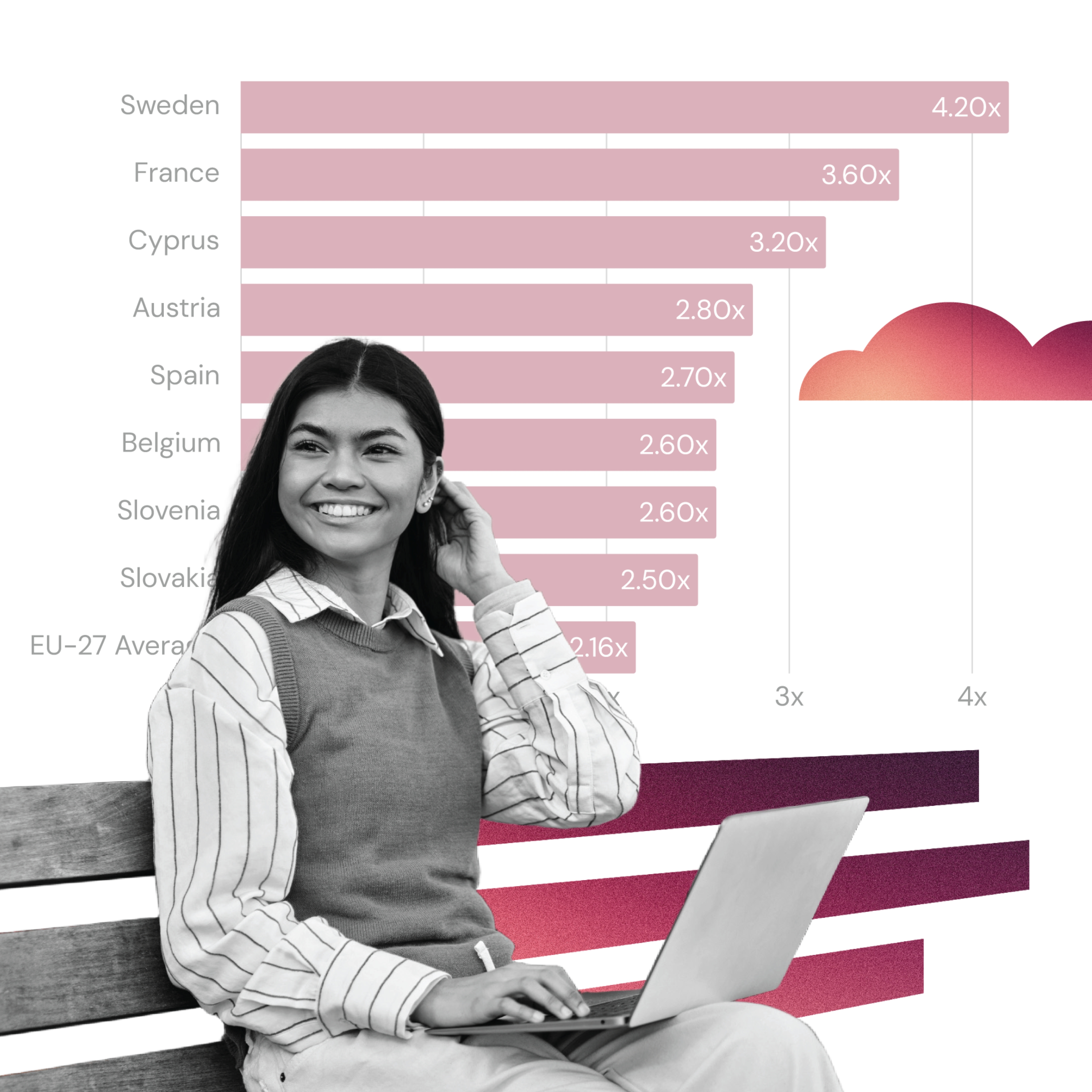
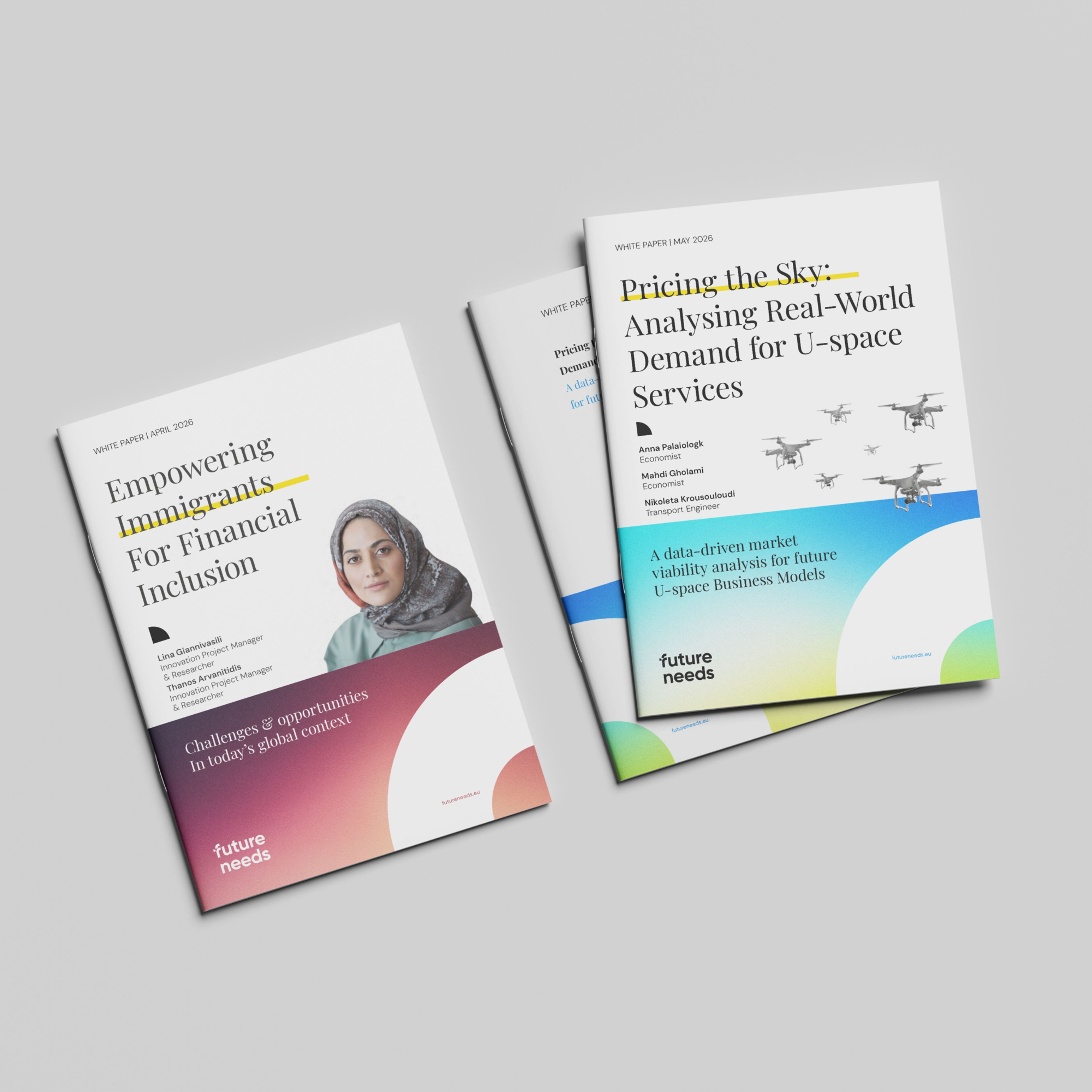
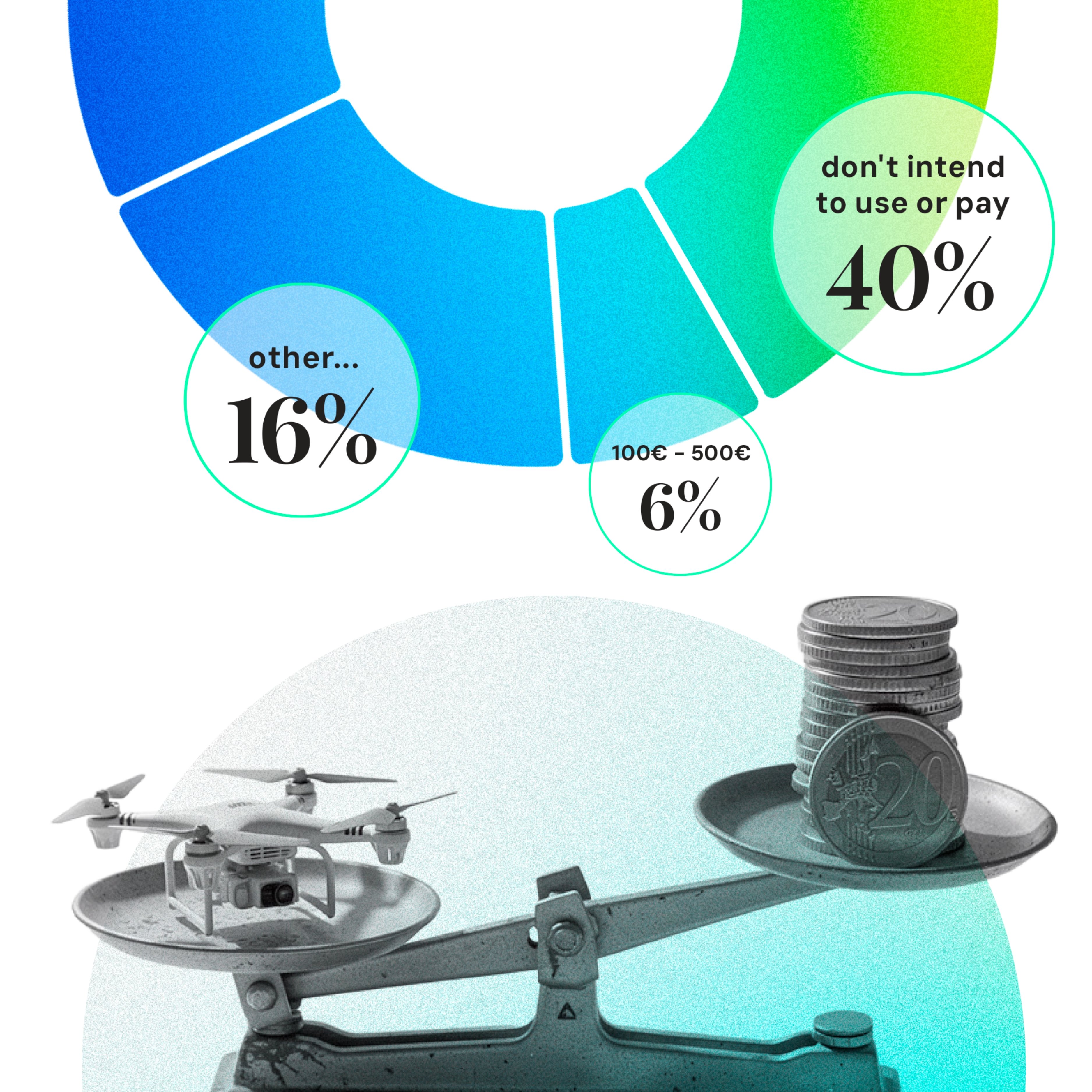
White papers developed by Future Needs based on EU research, combining strong content with clear visuals to make complex findings easier to explore and understand.
After supporting communication and dissemination activities across many research projects, we have found that projects communicate more consistently when consortium partners receive the right tools from the beginning. This experience has shaped the way Future Needs approaches visual communication for research projects. Rather than creating individual materials only when somebody requests them, we establish a visual communication toolkit early in the project.
For example, presentation templates can already be available for the kick-off meeting, with core slides that help partners structure their content while maintaining a consistent project identity. Deliverable templates can include predefined headings, tables, visual elements and placeholders so partners know how information should be structured.
As the project progresses, the visual system can expand to include: social media templates, brochures, factsheets, infographics, research visualisations, event materials, training resources, videos and other dissemination materials.
The result is not simply stronger branding. It also makes communication easier for the consortium.
Partners spend less time formatting documents and presentations and more time communicating the actual research.
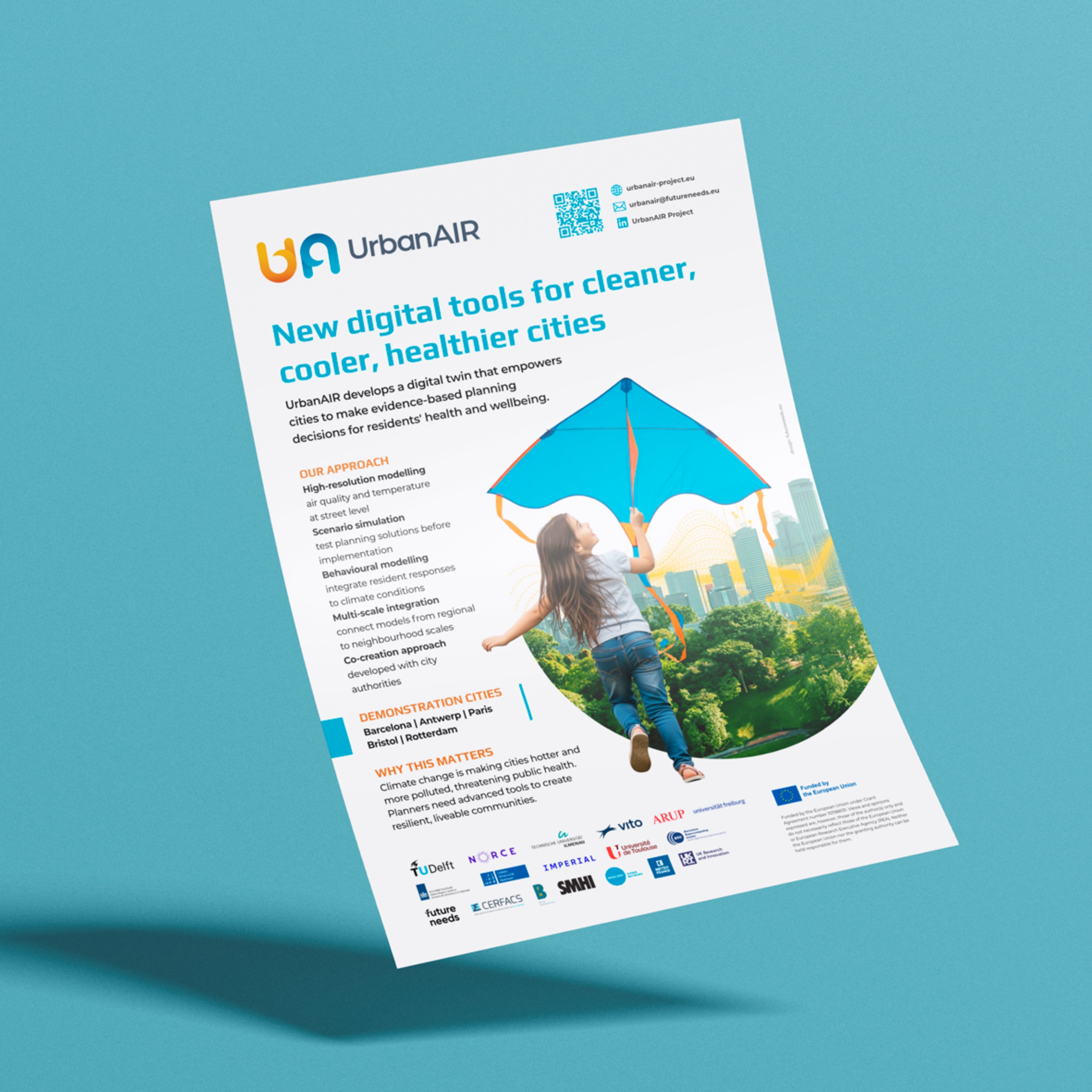
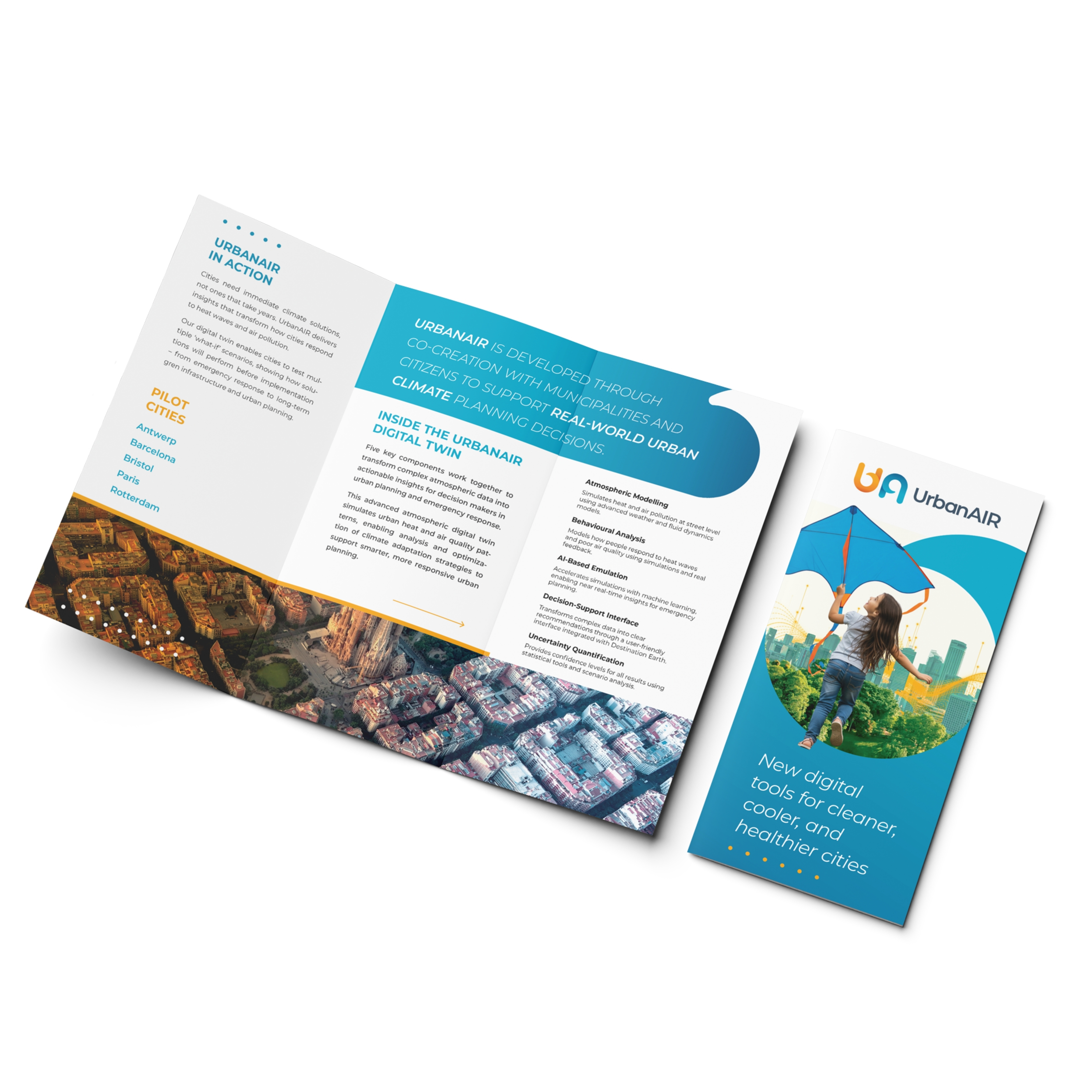
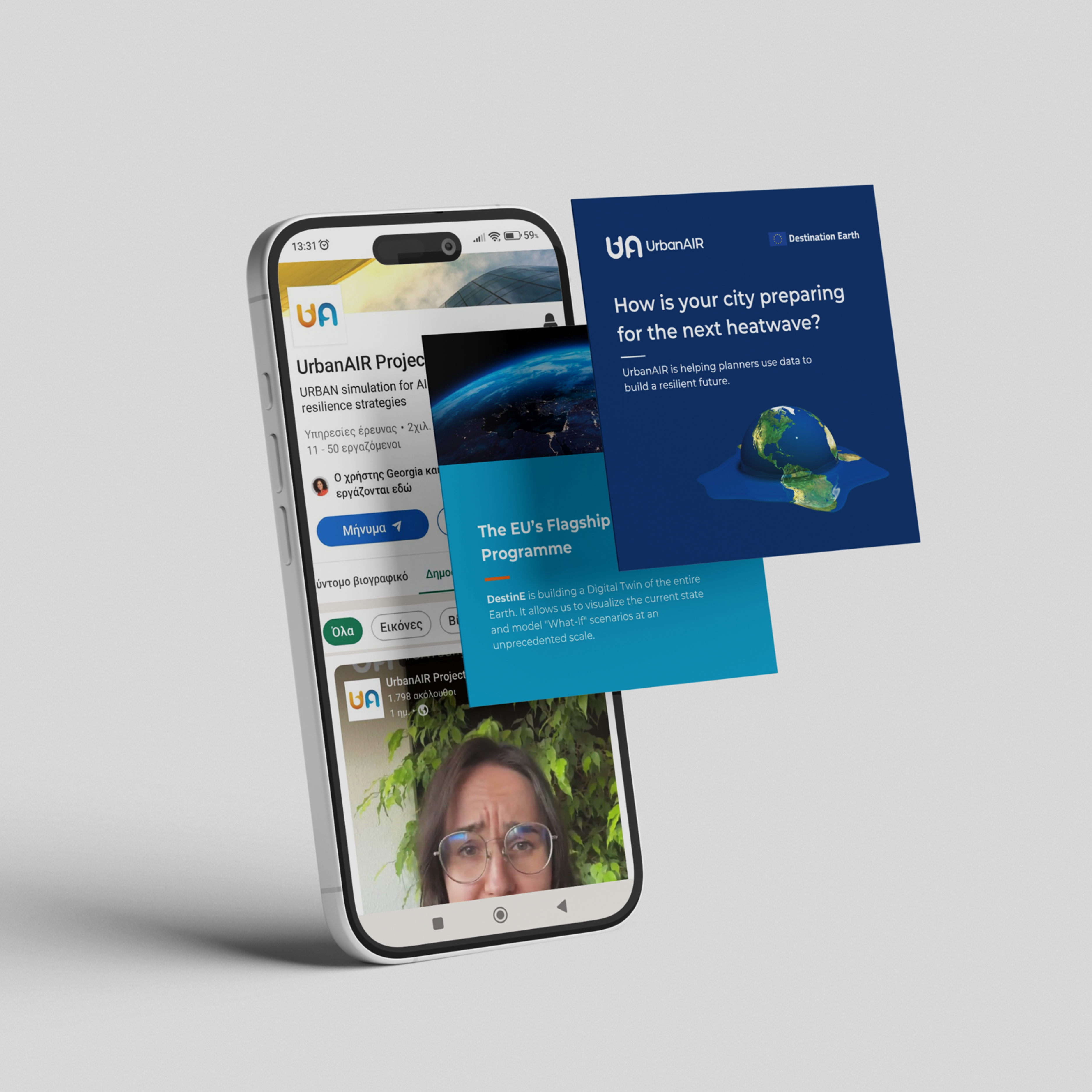
Visual communication developed by Future Needs for UrbanAIR, a Horizon Europe project supporting European cities with air quality, heat resilience and climate-smart urban planning.
There are different ways to organise visual communication within an EU-funded project.
A consortium may include a communication and dissemination partner responsible for developing and coordinating the project’s communication activities. Specialist services such as graphic design, branding, website development or video production may also be subcontracted where appropriate and in accordance with the applicable programme and grant rules.
Future Needs supports EU-funded research projects through both models. We can participate as a project partner leading or contributing to Communication, Dissemination and Exploitation activities, integrating visual communication into the wider project strategy. We can also provide dedicated visual communication and graphic design support for research and innovation projects, including:
- EU project branding and visual identity
- research project websites
- presentation and deliverable templates
- scientific infographics and data visualisation
- brochures, factsheets and policy materials
- conference and event materials
- social media design
- research reports and white papers
- training and educational materials
- video and multimedia content
Planning an EU proposal or looking for visual communication support for an existing project? Contact Future Needs to discuss the best model for your consortium: egle@futureneeds.eu
Authors

Egle Joneliunaite
Communication and Dissemination Manager with 10+ years of experience in strategic communication, digital marketing, and stakeholder engagement. Her experience spans a diverse range of sectors, including aviation, construction, healthcare, and sustainability, where she has supported research and innovation projects in enhancing their visibility, engaging stakeholders, and building active communities.

Panos Chatzimathios
Senior Designer and Visual Communication Expert specialising in visual communication for research and innovation. Experienced in translating complex scientific data, research results and technical concepts into clear, engaging visual systems that help projects communicate effectively with stakeholders, policymakers and wider audiences.


