

An interview with Georgia Nikolakopoulou, Dissemination and Communication Manager at Future Needs
EU-funded projects can generate excellent research, but that research only creates wider value if the right people can understand it, engage with it and eventually use it.
That is where dissemination and communication (D&C) come in. A strong D&C strategy is not just about websites, social media or newsletters. It starts with understanding who needs to hear about the research, what matters to them and how communication can support the wider objectives of the project.
In Meet the Minds Behind the Impact, Future Needs experts share lessons from their work in European research and innovation projects, while introducing the people behind the work. This time, we speak with Georgia Nikolakopoulou, who leads dissemination activities across several Future Needs projects, about what strategic dissemination looks like in practice and what proposal teams should consider when planning D&C.
I am Georgia Nikolakopoulou, and I am a Dissemination and Communication Manager at Future Needs, leading dissemination activities across several European projects. My background is quite different; I studied architecture and sculpture in Athens and worked for several years as an architect. During my studies, I became interested in graphic and interface design, which eventually opened the door to European research and innovation projects. Looking back, these areas connect more than I expected. Analysis, research, communication, coordination, understanding end users and attention to detail were always part of my work, and they are still at the centre of what I do today.
For me, good dissemination starts by asking what the project is trying to change and who needs to understand the results for that change to happen. For example, our Horizon Europe project UrbanAIR combines advanced simulations and citizen-driven behavioural models to support healthier and more liveable cities. My role is not simply to communicate that the project exists. I need to make complex scientific work understandable and relevant to different audiences – from researchers and urban planners to policymakers and citizens – without losing the accuracy of the science.
It starts with the audience, not the communication channel. We need to understand who should know about a particular result, why it matters to them, when they need that information and what format makes sense. Sometimes that means a scientific event or webinar. Sometimes it is a visual, a capacity-building activity, targeted outreach or a campaign that gives people an easier entry point into the research.
In UrbanAIR, for example, the Women in UrbanAIR campaign helped us introduce the people behind the science while making the project more relatable to a wider audience.
Building the internal flow that makes strong content possible. Scientific results arrive at different times, researchers are busy, and partners often communicate the same topic in very different ways. Good dissemination therefore depends heavily on relationships within the consortium. I stay close to partners, follow what they are working on, ask questions, and sometimes work with them directly to translate a technical result into something that can be communicated clearly. There is no automated flow. Personal involvement is a big part of the work.
Our #UAYoungResearchers campaign in the UrbanAIR project is an example: it serves as both external outreach and an internal bridge. By spotlighting the postdocs and PhD candidates across our partner institutions, we actively engage consortium partners in the dissemination process while helping young talent gain valuable visibility early in their careers.


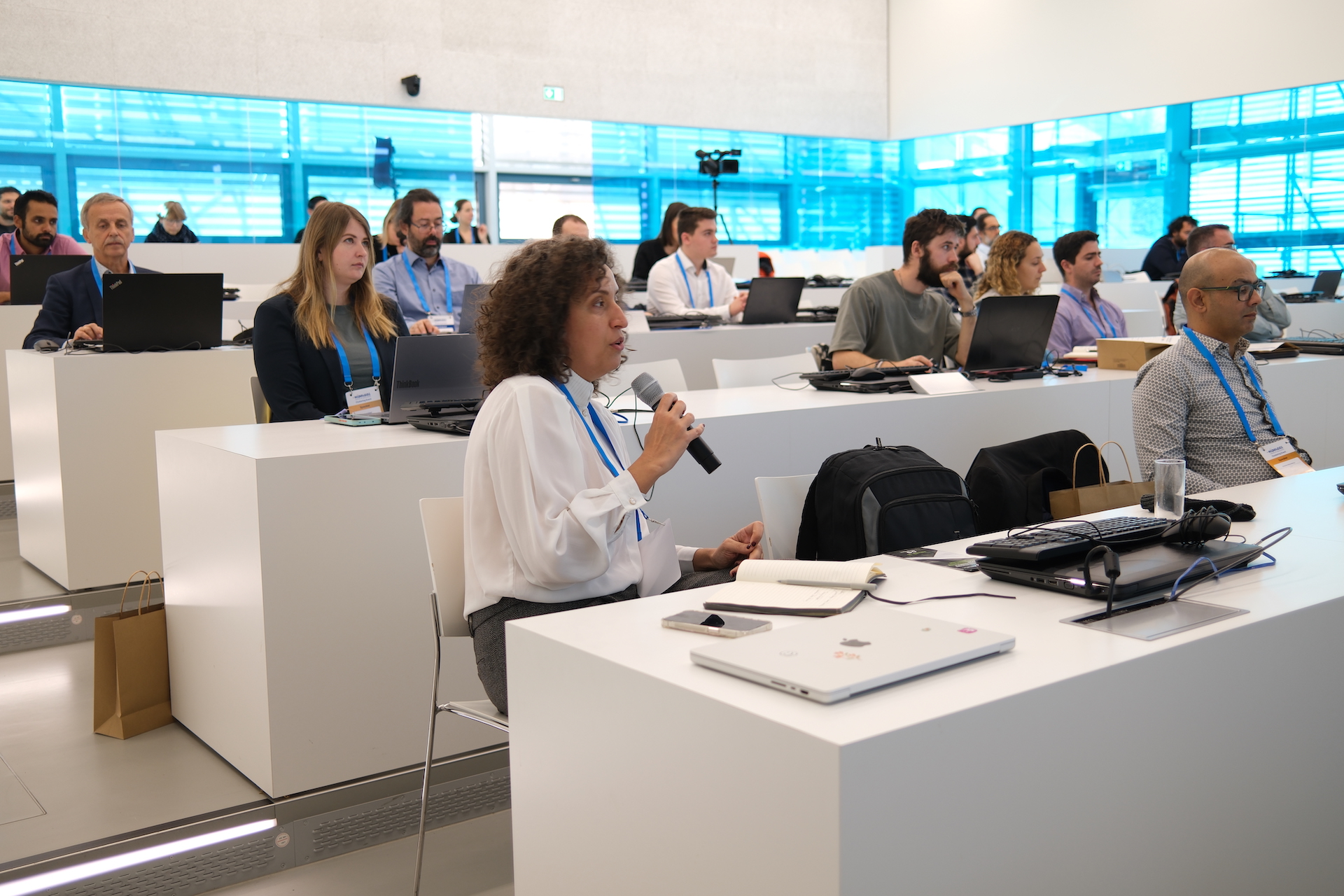
Absolutely. Dissemination can bring together people and projects working on similar challenges and create opportunities for collaboration. A good example is our Horizon Europe project HiDALGO2. As part of our dissemination work, Future Needs organised and led a clustering event in Stuttgart that brought together experts from across Europe working in HPC, AI and climate modelling.
It took months of preparation, partner coordination and community building, but the result was a full day of discussions with 18 speakers exploring shared challenges – from AI Factories and urban air-quality simulations to digital twins for more resilient cities. I also had the opportunity to participate in a panel on digital twins for sustainable cities.

Start with what you want dissemination to achieve, not with a list of channels. Who needs to know about the project and its results? What do you want them to do with that information? And which partners already have the networks to reach them? D&C is a shared responsibility, so a strong plan should make the most of the whole consortium. As WP leader, our role at Future Needs is to bring those strengths together into one realistic strategy, with clear activities, responsibilities and KPIs. We also contribute directly to writing the Impact section and Dissemination, Communication and Exploitation work package. Having successfully authored 50+ EU proposals, we know what the European Comission expects to see and how to reflect the strategy clearly in the proposal.
A partner who understands implementation, not only communication outputs. They should be able to translate scientific results, coordinate partners, organise events, build stakeholder relationships, collect evidence for reporting and adapt the strategy as the project develops. Communication should support the project, not simply document that it happened.
Yes, one from the early days of Future Needs. During one project review meeting back in 2022, the SESAR Joint Undertaking project manager complimented our team for having the best dissemination among the Innovative Aviation Mobility (IAM) projects. He even put a box of beers on the table and told me I should add it to my CV! 🙂 It was a funny moment, but also a very meaningful one because Future Needs was still a young company. Since then, I’ve had many other moments I am proud of, especially when our work leads to new project collaborations.
I like that I can contribute to work that may actually help create a better future. At the same time, I get to collaborate with excellent scientists and professionals across Europe and constantly learn about new technologies and research areas. It is challenging, but also very refreshing.


