
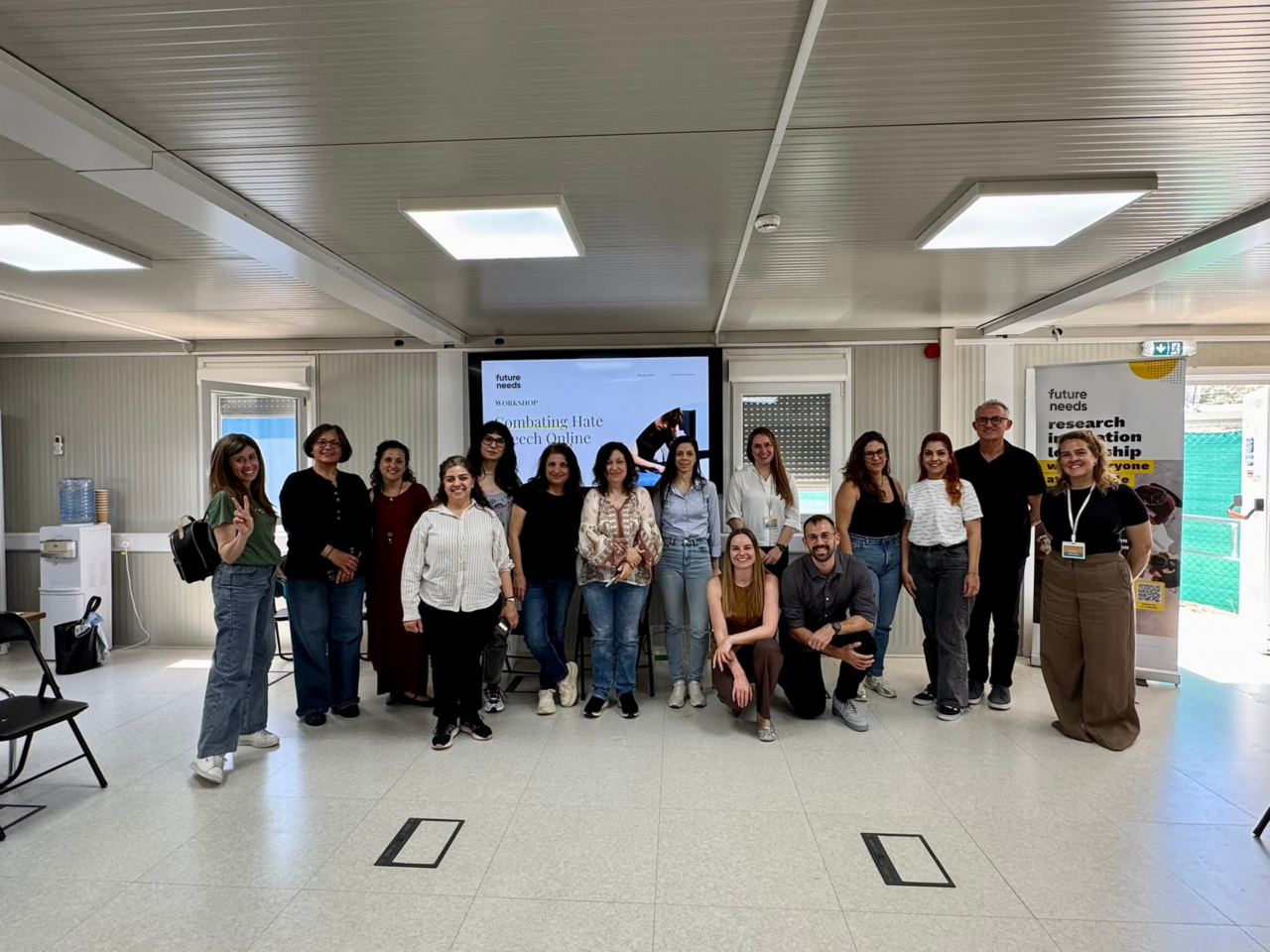
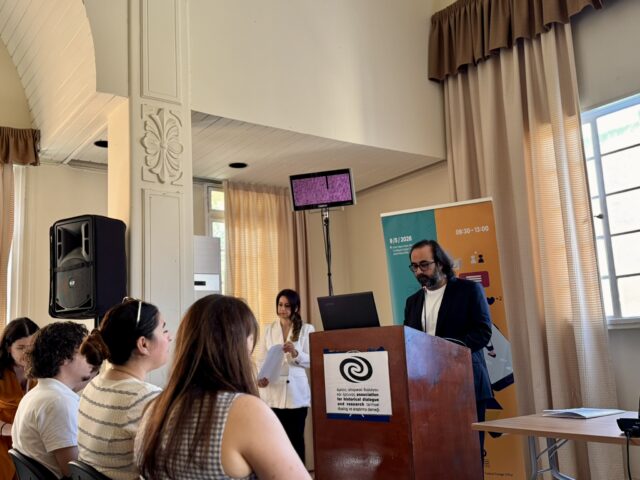
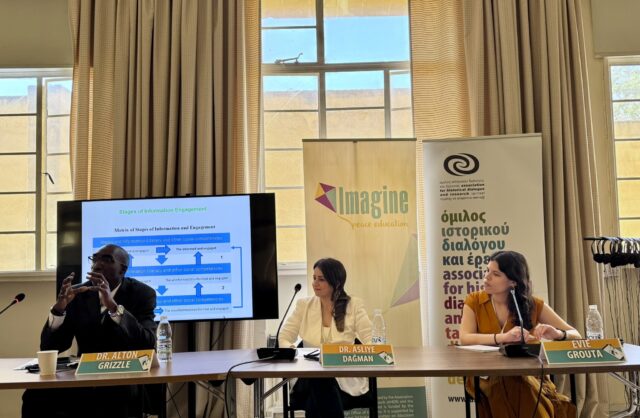
There was something particularly meaningful about celebrating Europe Day at the historic Ledra Palace Hotel, right in the buffer zone in Nicosia, together with educators from both communities in Cyprus.
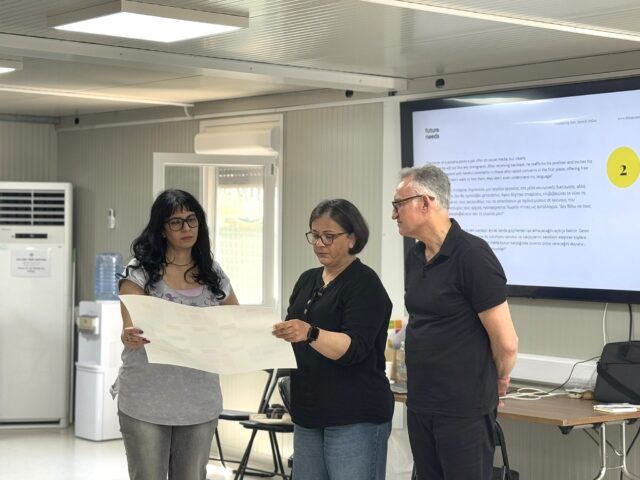
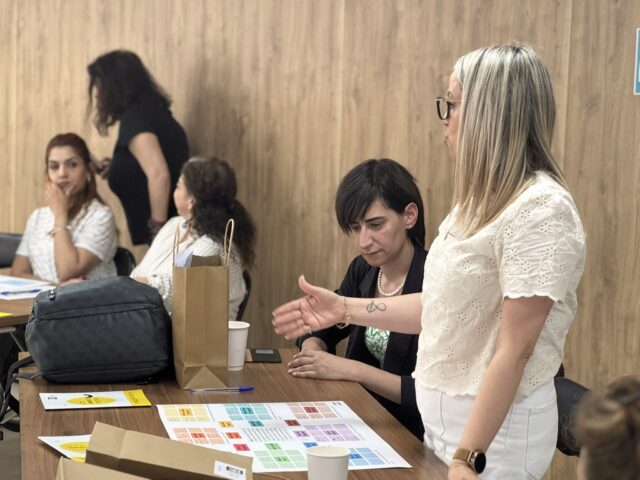
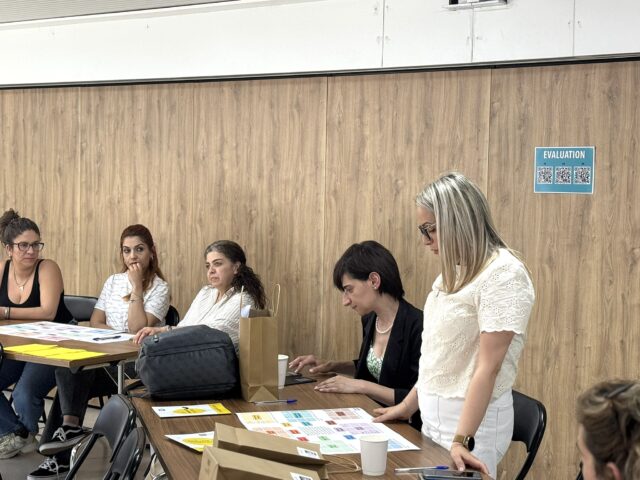
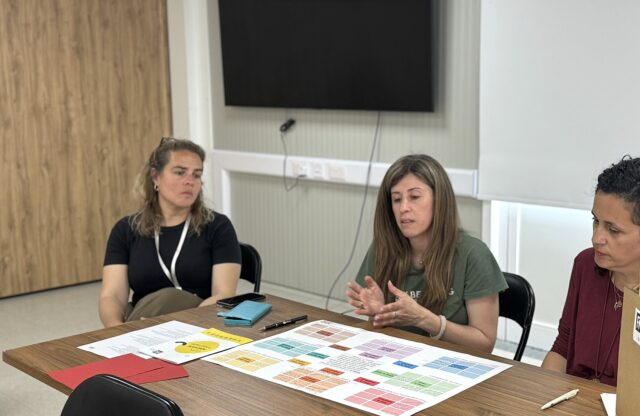
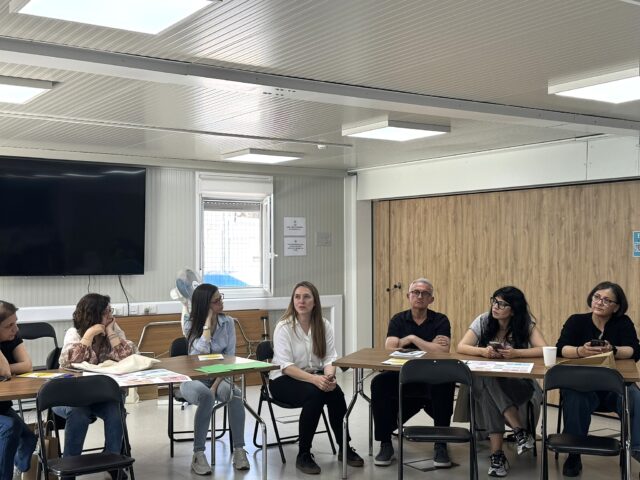
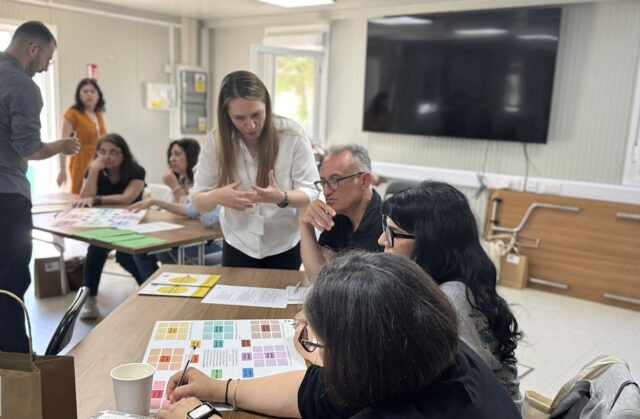
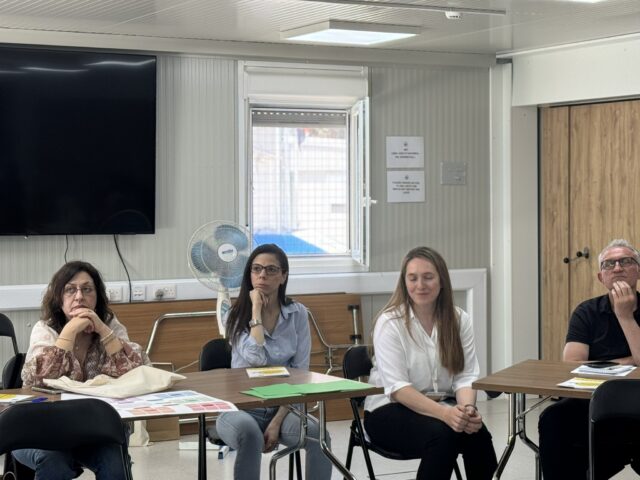
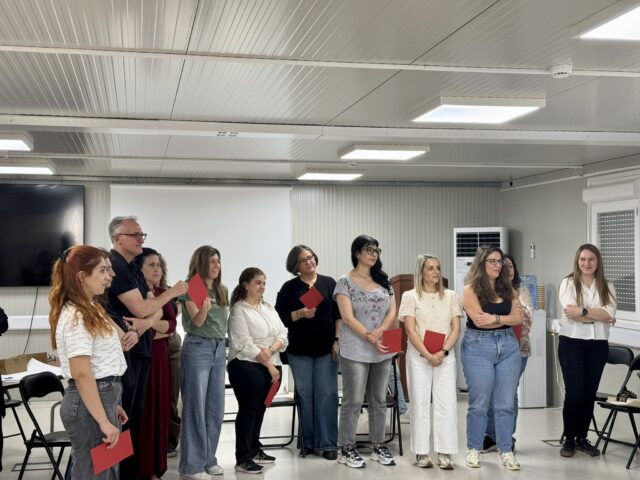
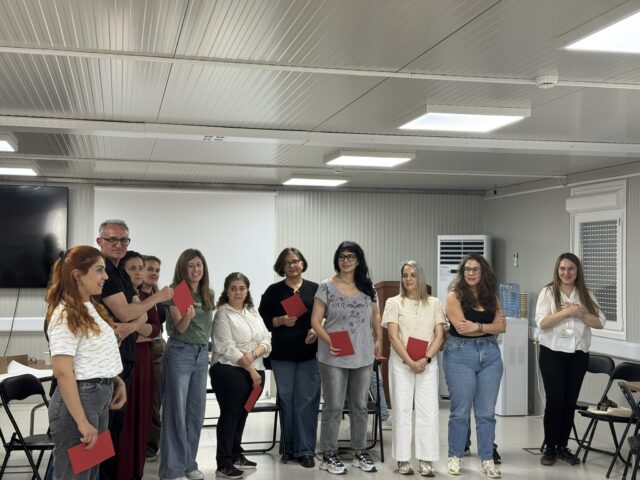
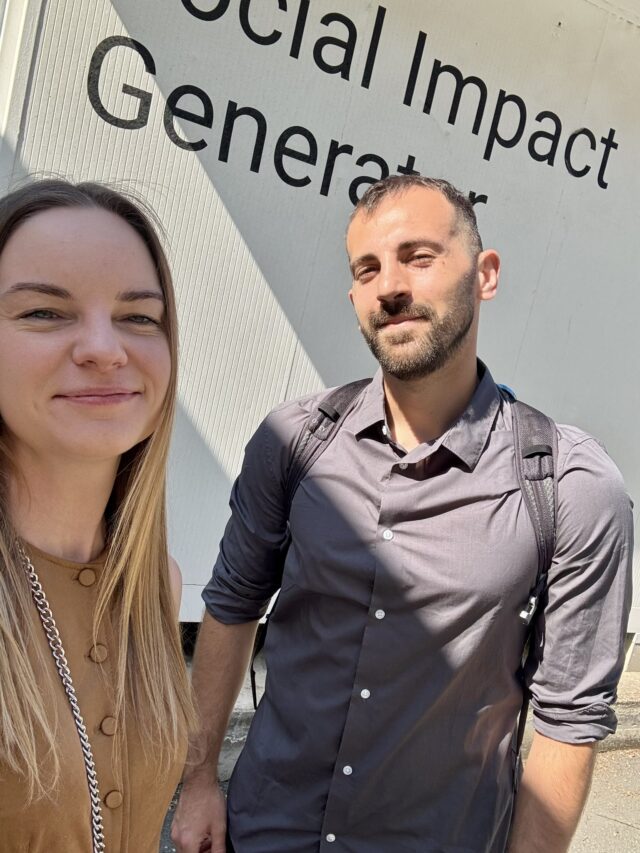
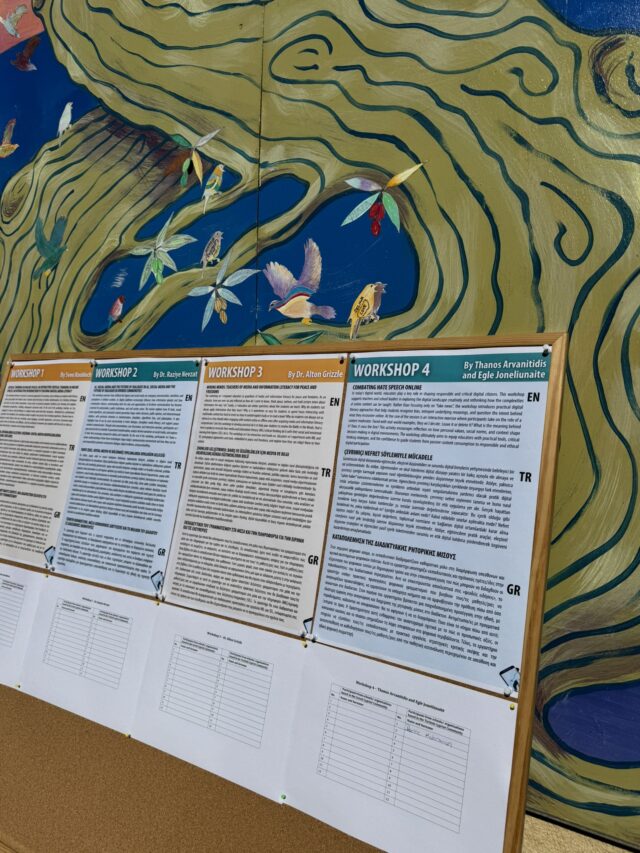
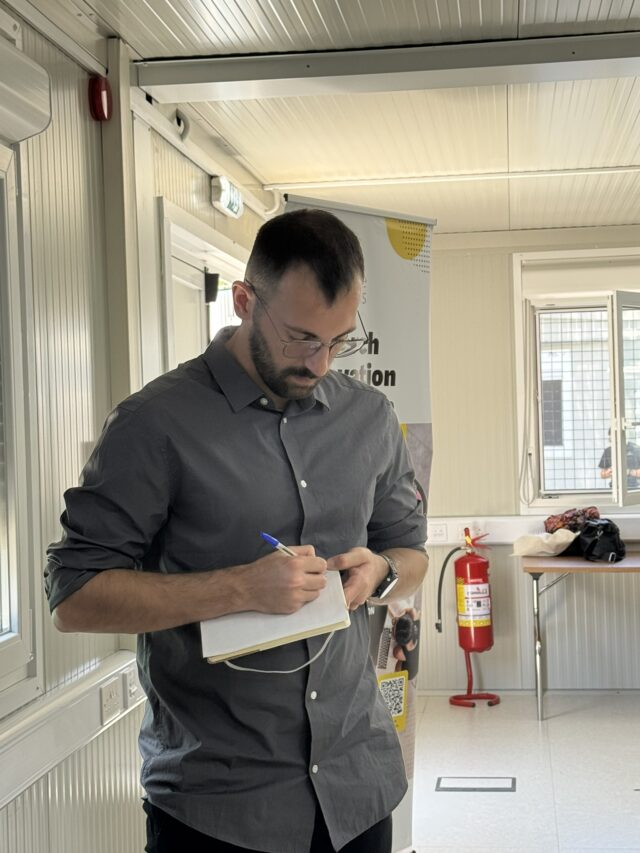
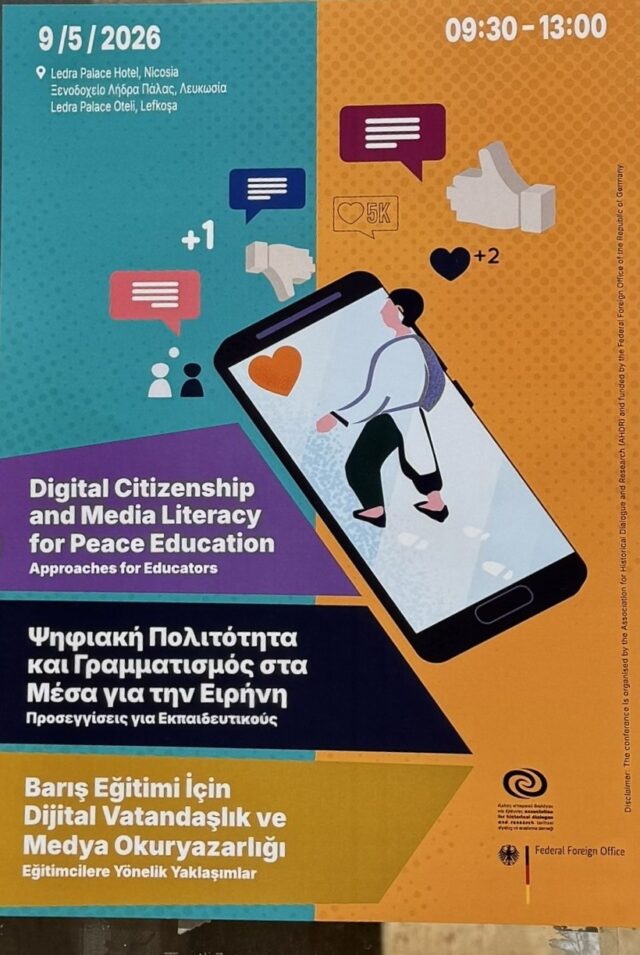
As part of the intercommunal conference “Digital Citizenship and Media Literacy for Peace Education: Approaches for Educators”, organised by the Association for Historical Dialogue and Research (AHDR), the Future Needs team, Thanos Arvanitidis and Egle Joneliunaite, led the workshop “Combating Hate Speech Online”.
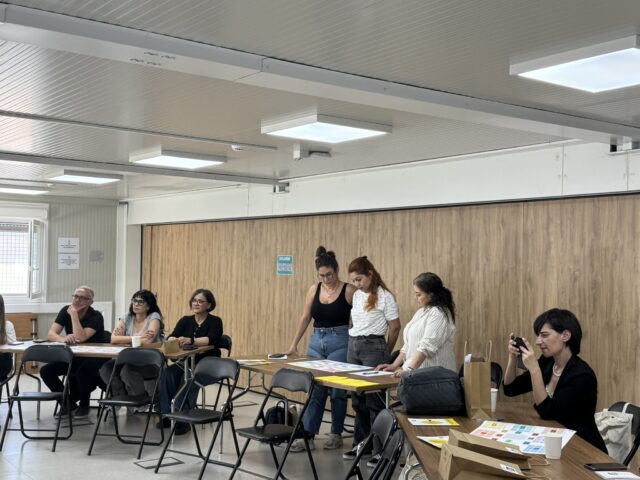
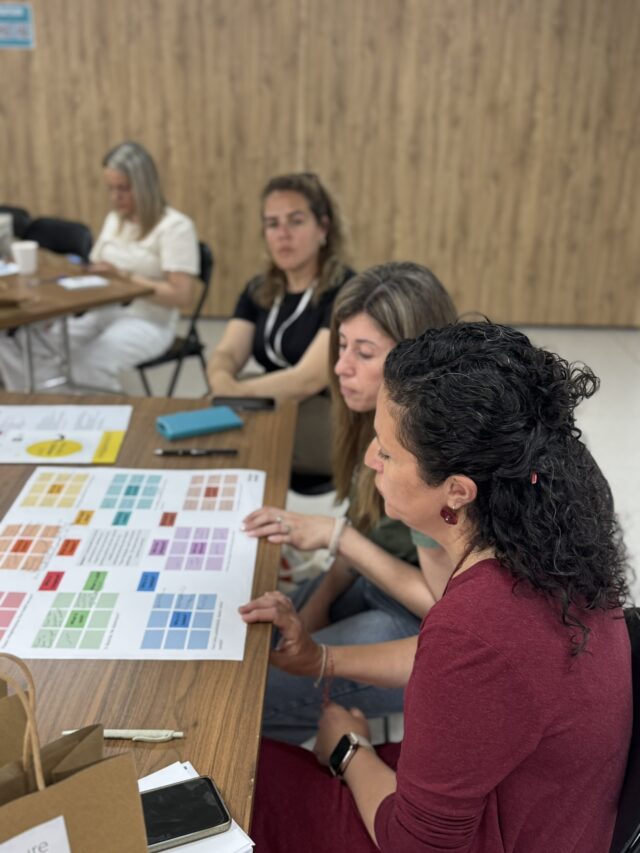
The workshop brought together educators to openly discuss some of the challenges young people increasingly face online – from hate speech and polarising narratives to misinformation, algorithm-driven content, and harmful digital behaviours that shape how people communicate and engage with one another.
Creating space for dialogue and critical reflection
At Future Needs, we believe that workshops are not simply about presenting information. They are about creating spaces where people feel comfortable enough to exchange experiences, reflect critically, and learn from one another.
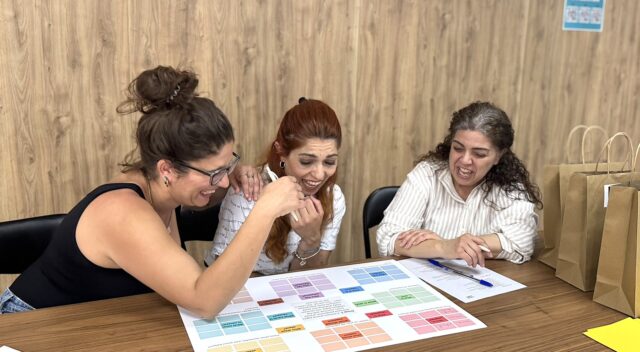
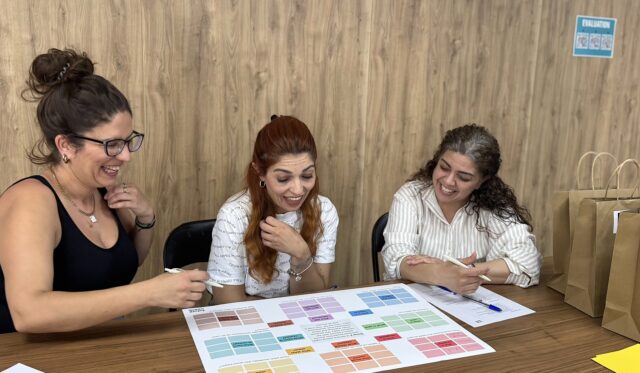
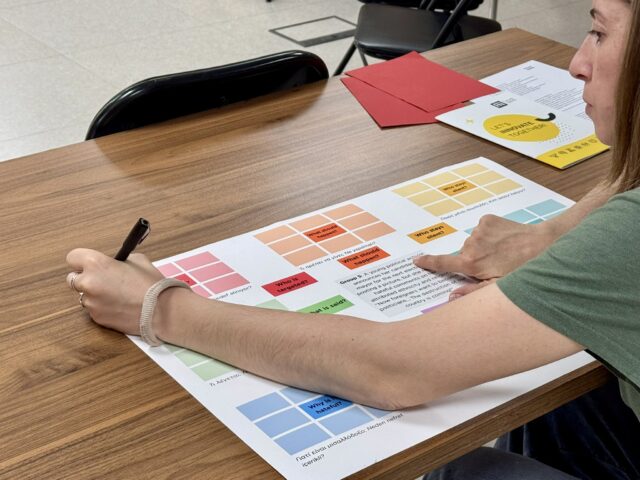
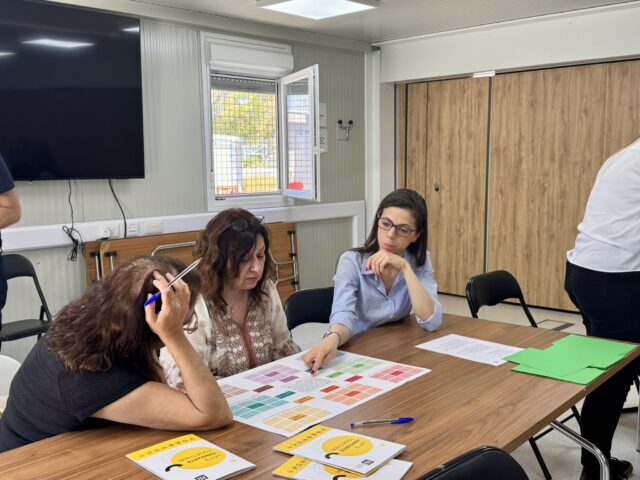
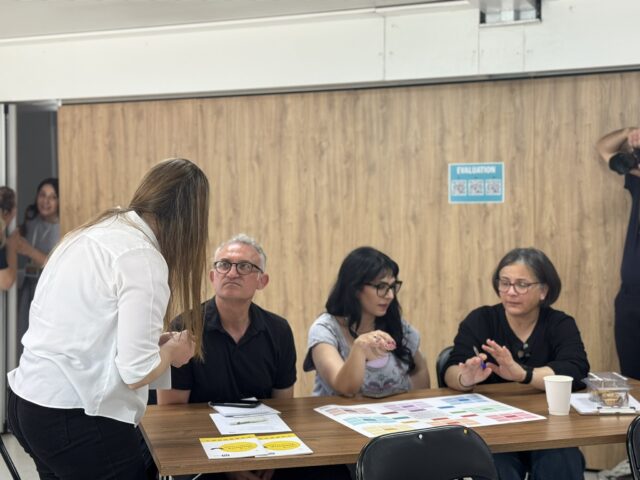
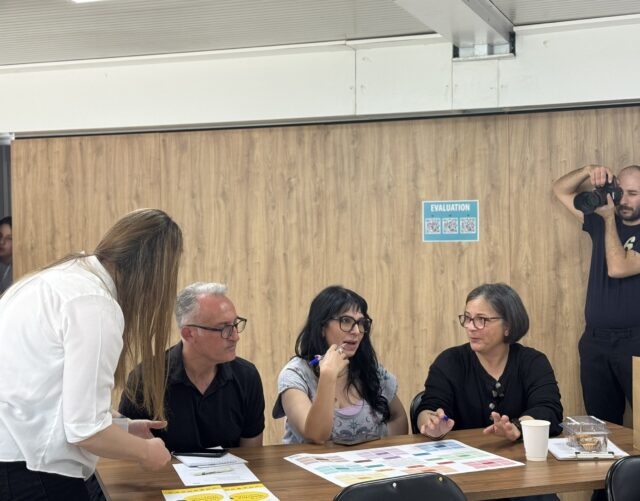
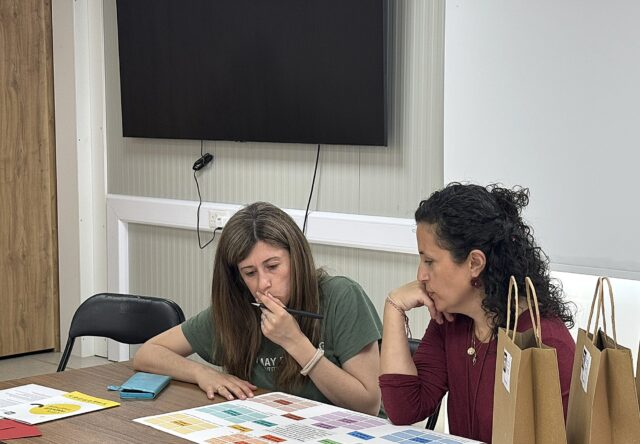
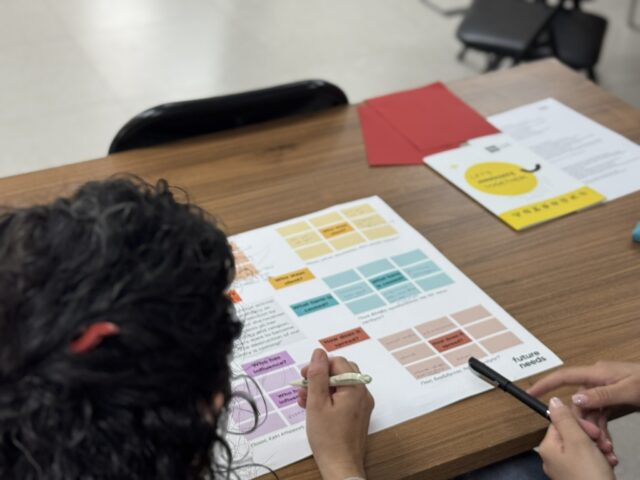
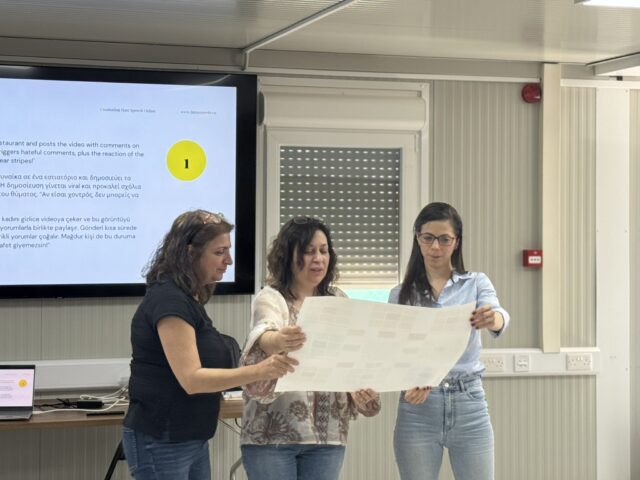
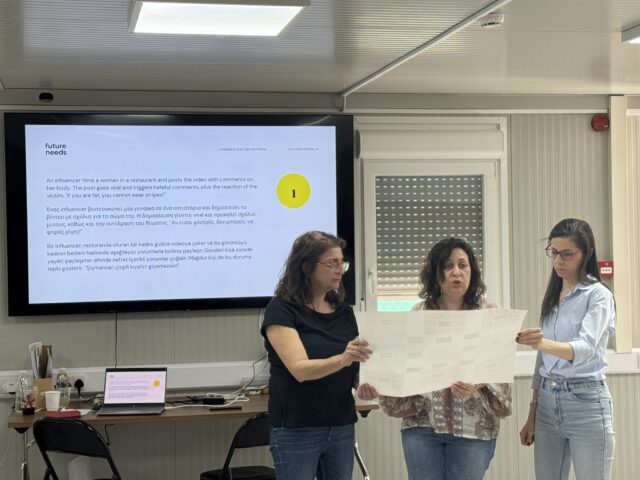
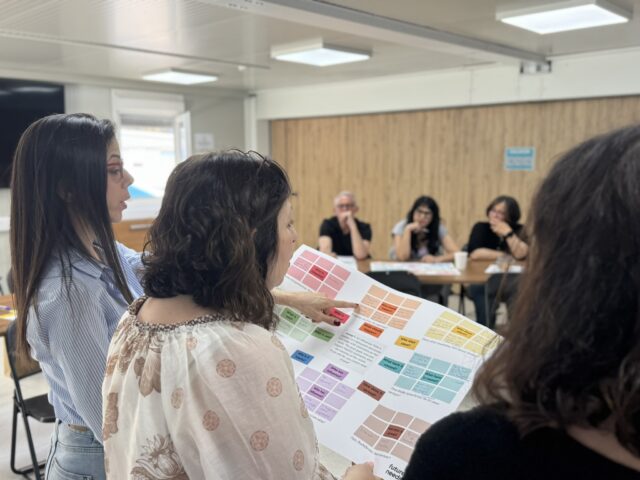
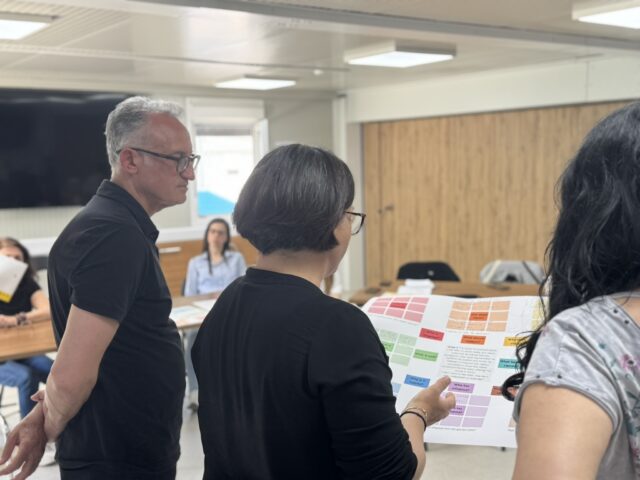
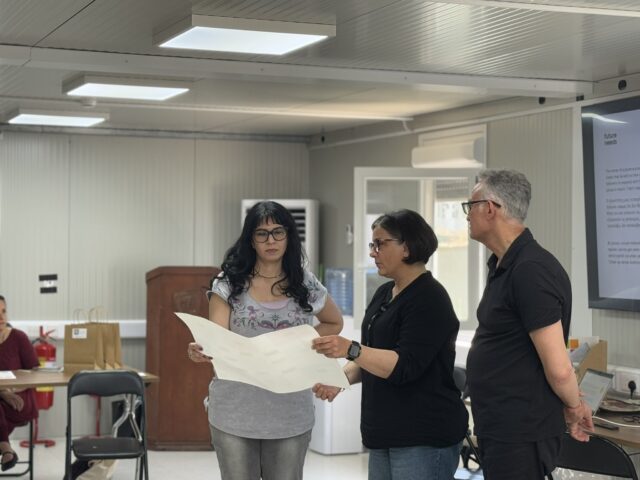
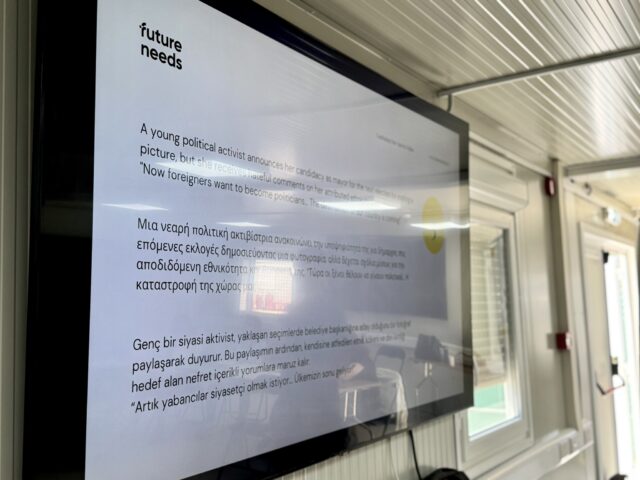
Through interactive exercises, real-life case studies, and group discussions, participants explored practical ways to recognise harmful online narratives, encourage constructive dialogue, and foster more inclusive digital environments in their classrooms and communities.
The workshop also encouraged educators to reflect on different forms of responsibility online, not only as users of digital platforms, but also as moderators, facilitators, and mentors supporting young people in navigating increasingly complex digital spaces.
Many of the discussions touched on themes that are becoming increasingly important across European research and innovation priorities, including digital citizenship, media and information literacy, democratic and civic resilience, inclusive participation, and the role of education in countering polarisation and online hate speech.


Continuing the impact beyond the project lifetime
The workshop was based on methodologies and educational resources developed through the LEAD-Online project, which focused on combating hate speech online through critical thinking and media literacy. Although the project officially concluded in 2024, its impact continues through the ongoing work.
What made this workshop especially valuable was not only the methodology itself, but the openness of the participants. Educators engaged with practical exercises focused on recognising hate speech, understanding online manipulation tactics, and reflecting on how digital environments can either deepen divisions or become spaces for empathy, dialogue, and peacebuilding.
We would like to thank AHDR for the invitation and all participants for contributing so openly, thoughtfully, and respectfully throughout the workshop.
