Our science communication experts translate complex research into clear, accessible narratives, ensuring both the research and its results reach non-scientific audiences, scientific peers, potential business partners, and policymakers – encouraging understanding and meaningful connections.

Design is not just about aesthetics. It shapes how research is understood, and remembered.
In complex, multi-partner environments, strategic visual communication creates consistency, strengthens credibility, and supports the dissemination, uptake, and long-term visibility
of project results.
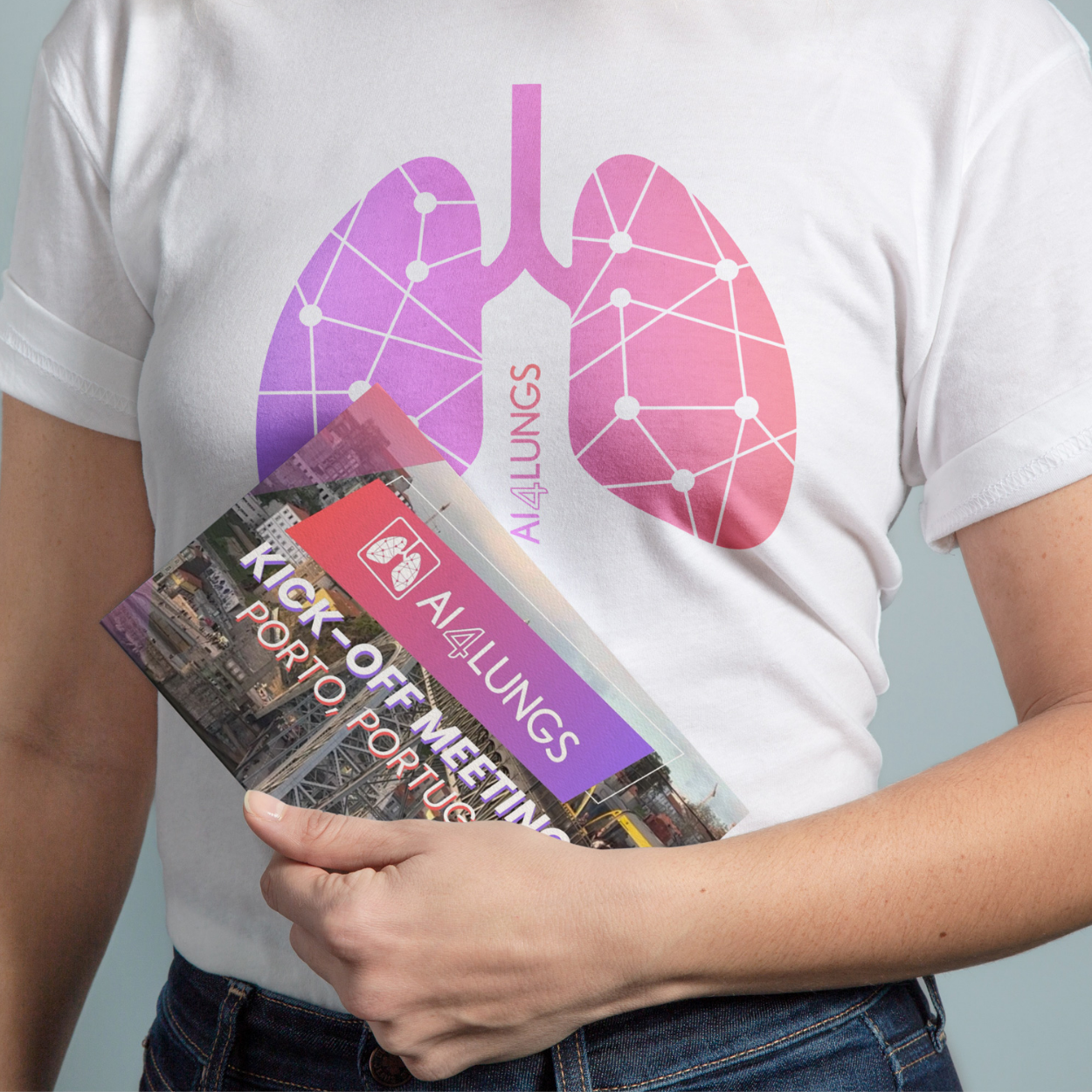
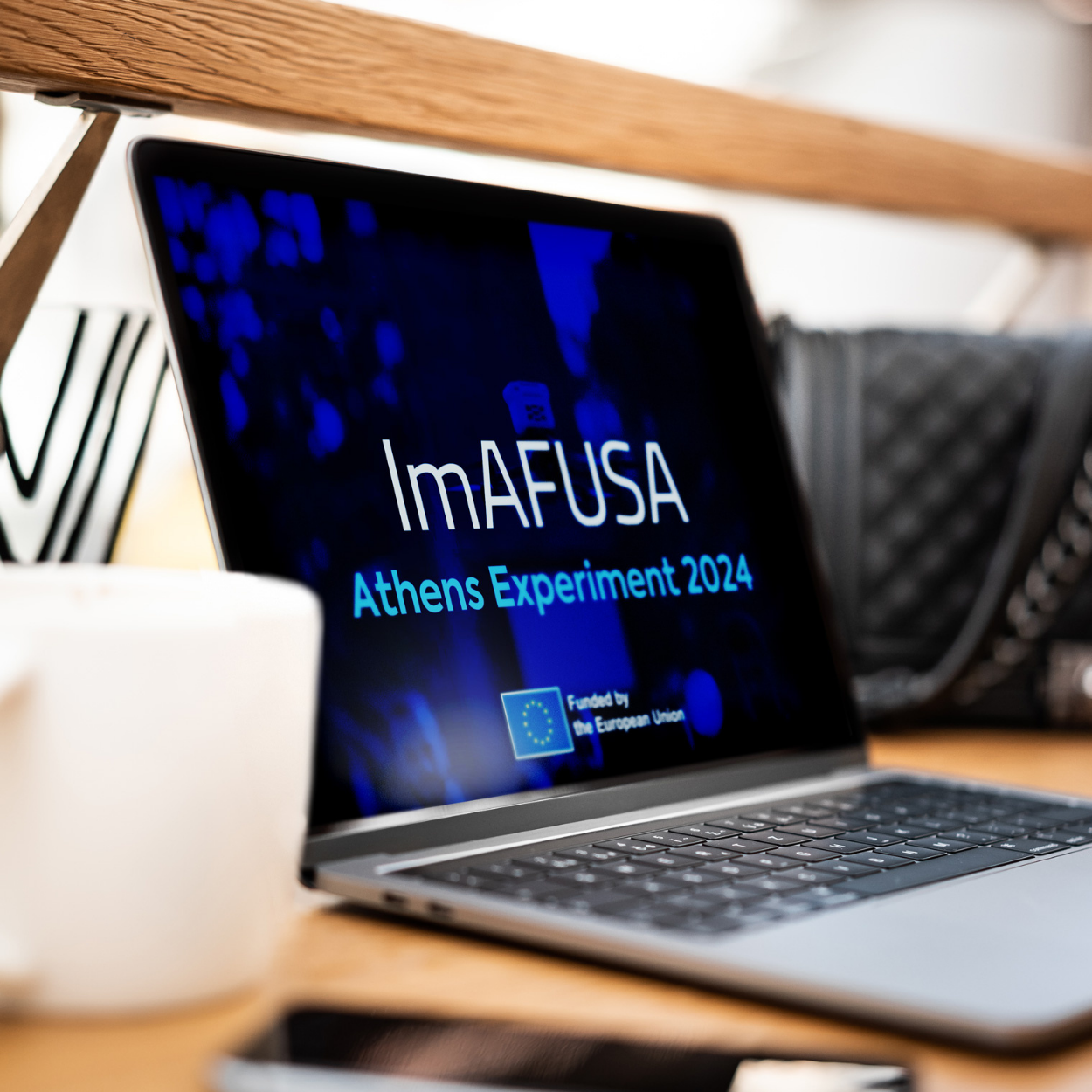
Logo & Branding: We create visual identities that reflect the project’s mission, values, and innovation potential while resonating with its target audiences and sector ecosystem. We develop branding systems that support recognition, trust, and consistency across all communication and dissemination activities. Whether engaging researchers, policymakers, industry stakeholders, investors, or citizens, we ensure the project presents a professional and coherent identity across every touchpoint.
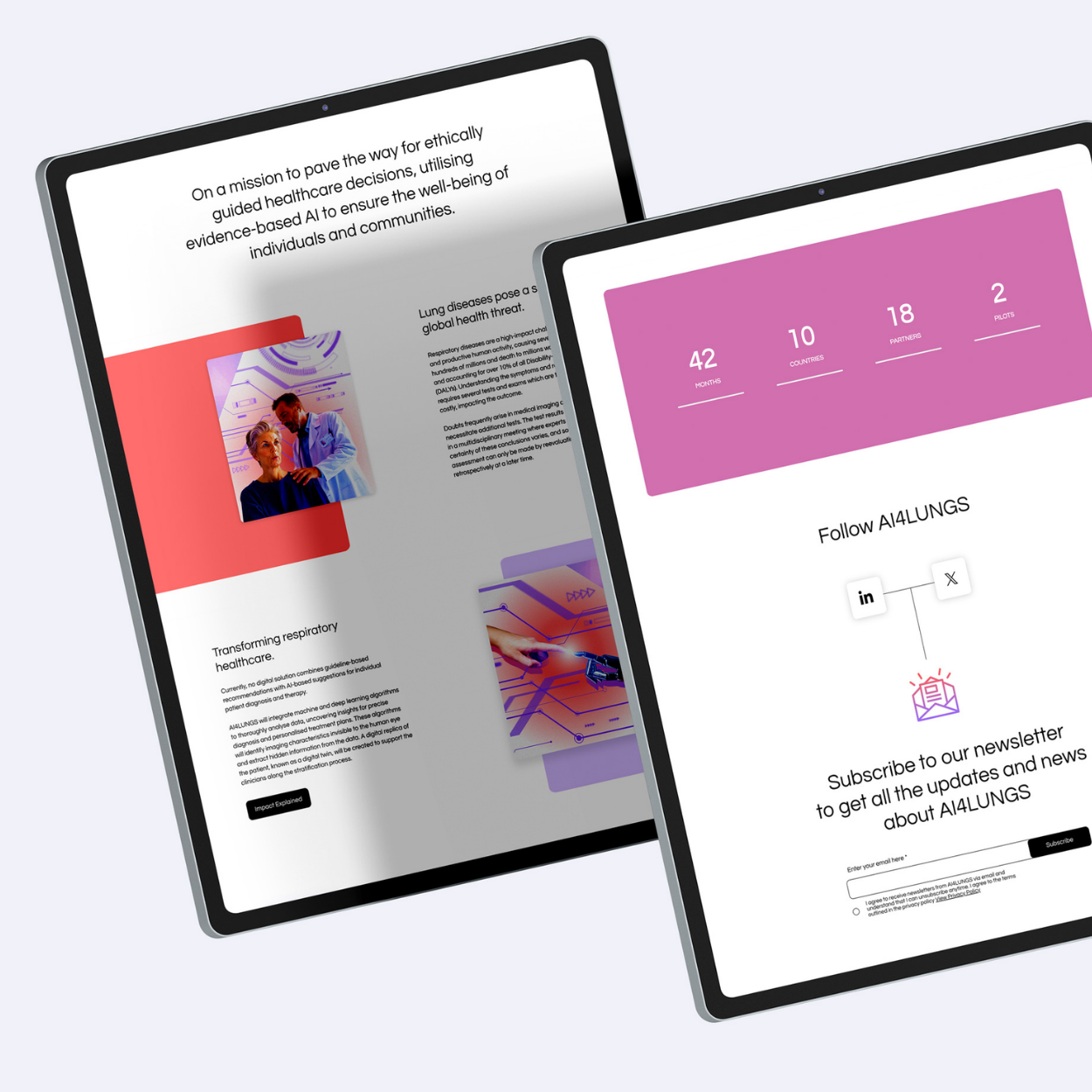
Website: We design project websites as central knowledge and communication hubs that support transparency, accessibility, stakeholder engagement, and dissemination of results. More than a digital presence, the website becomes a structured ecosystem where audiences can discover the project’s objectives, activities, publications, deliverables, events, training opportunities, and more. It creates a lasting presence for both the project and the people behind it.
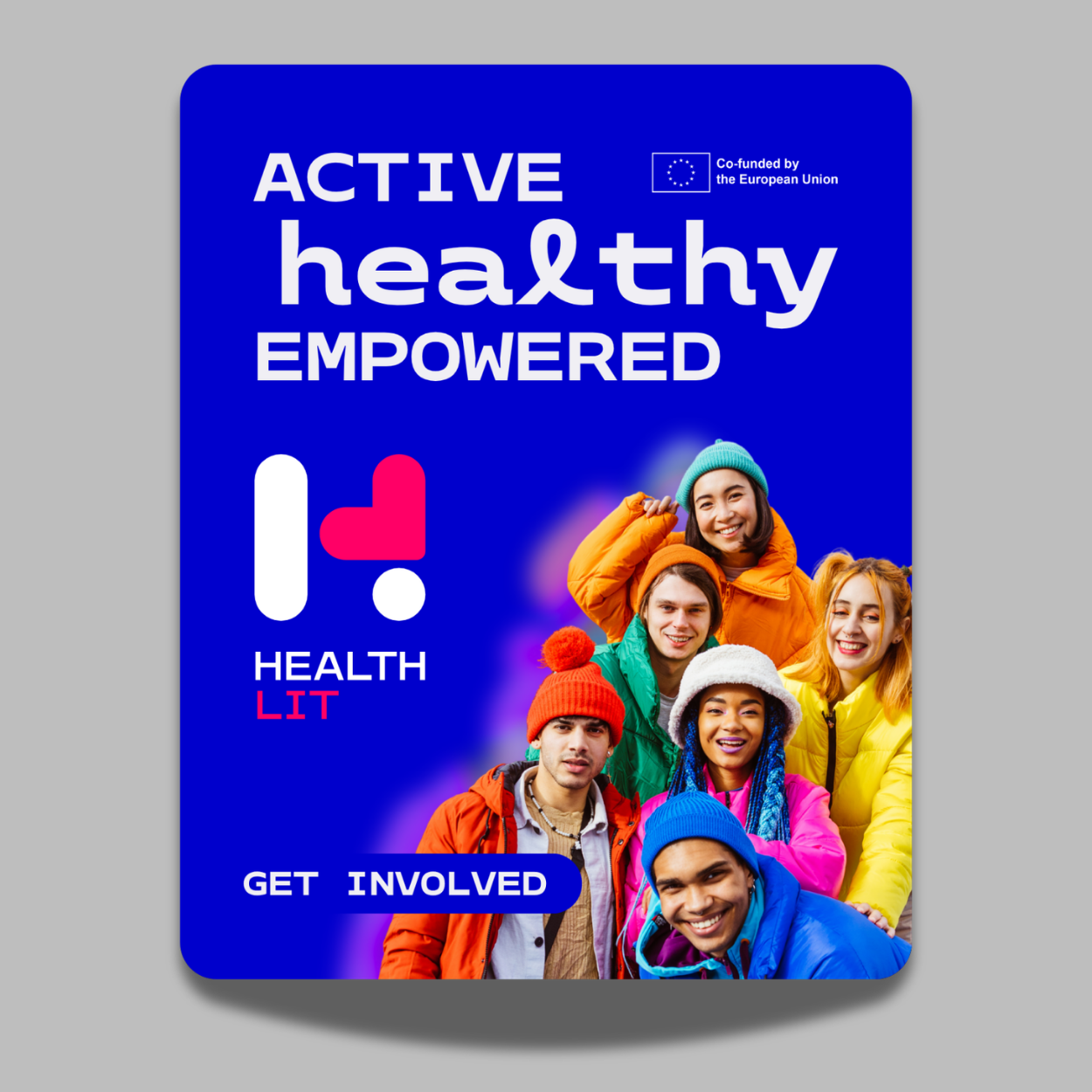
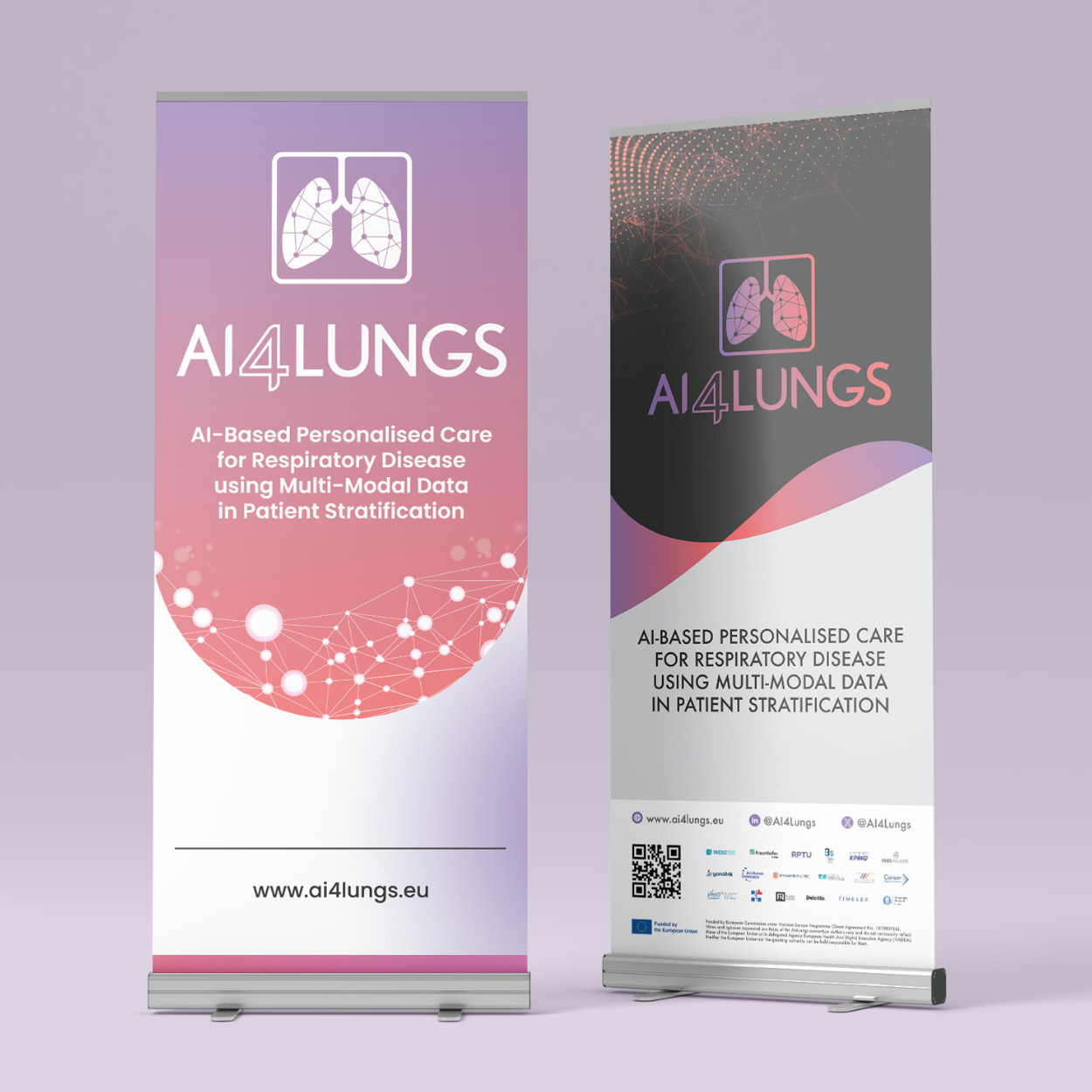
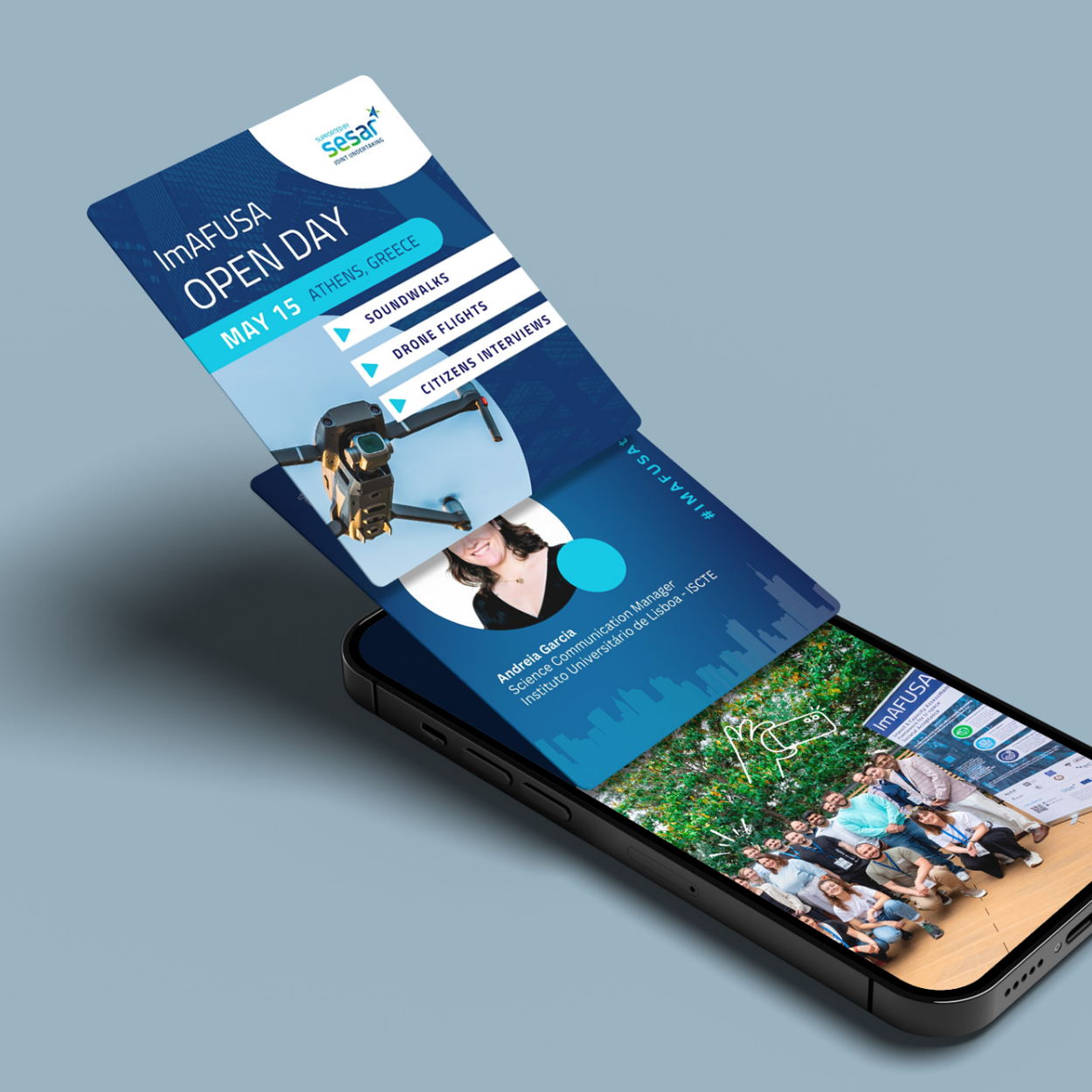
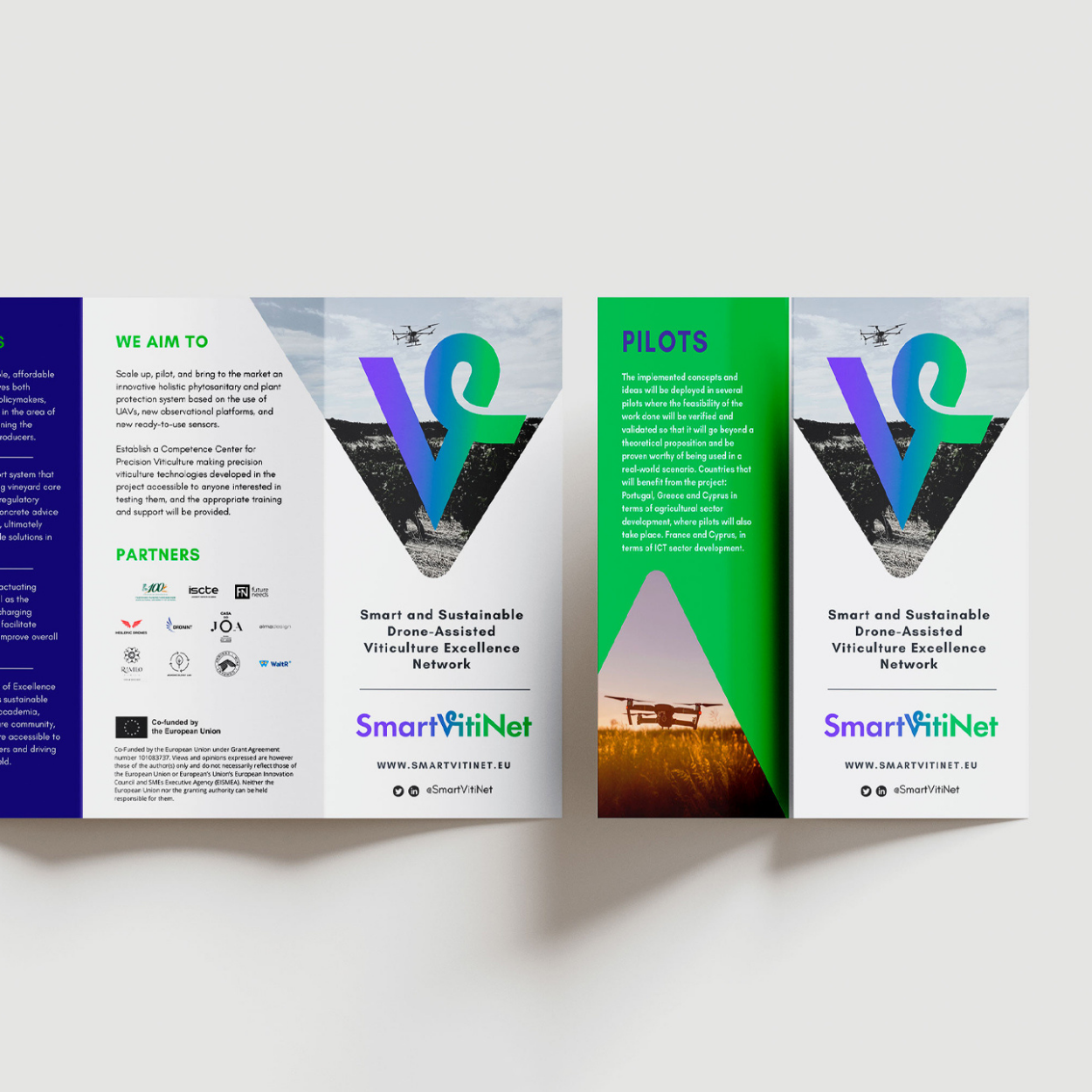
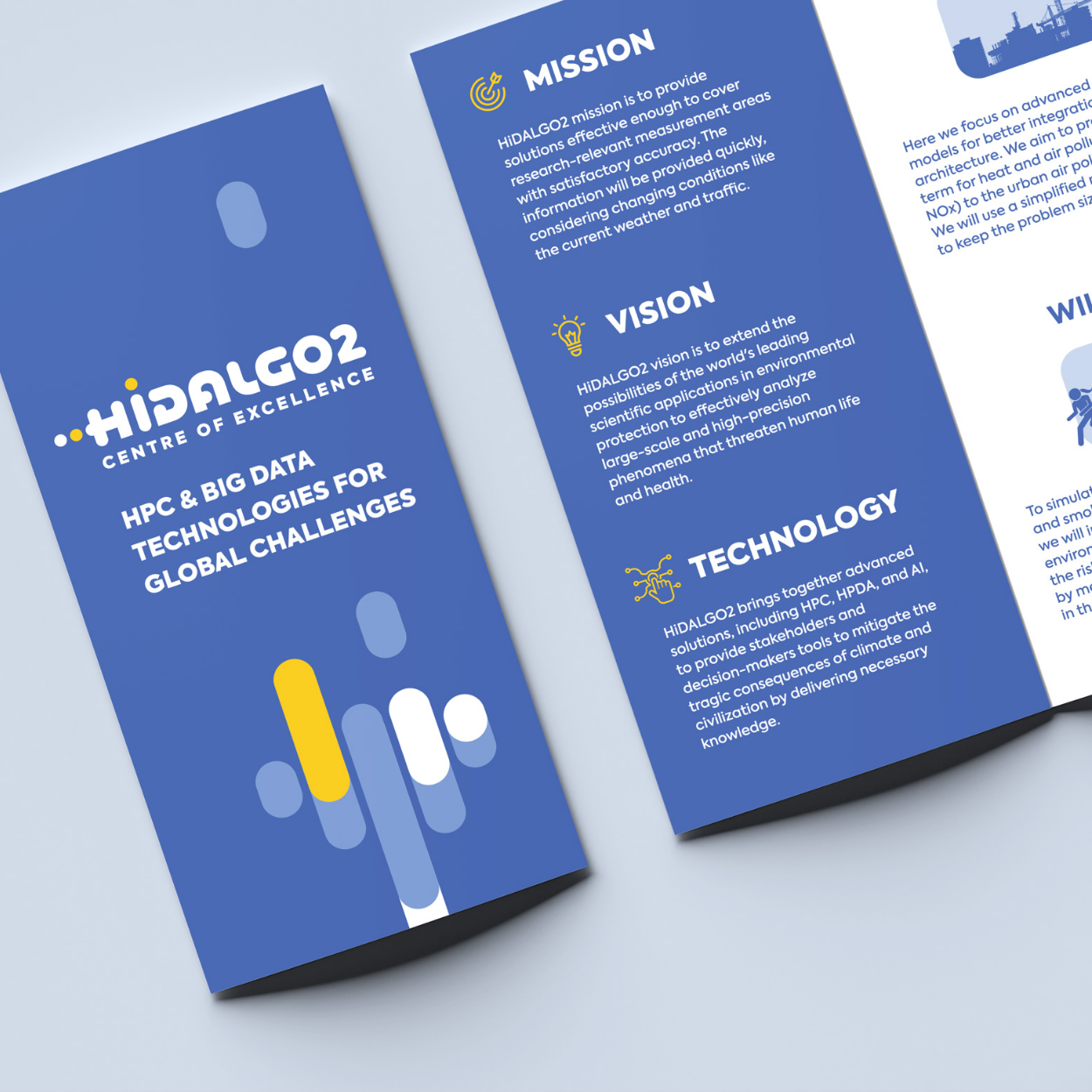
Brochures, posters & presentations: We create communication assets that help share information, engage stakeholders, and make the project visible, while keeping everything consistent across all consortium activities.
Infographics: We turn complex research concepts, methodologies, and results into clear, easy-to-understand visuals that improve accessibility and knowledge uptake for both technical and non-technical audiences.
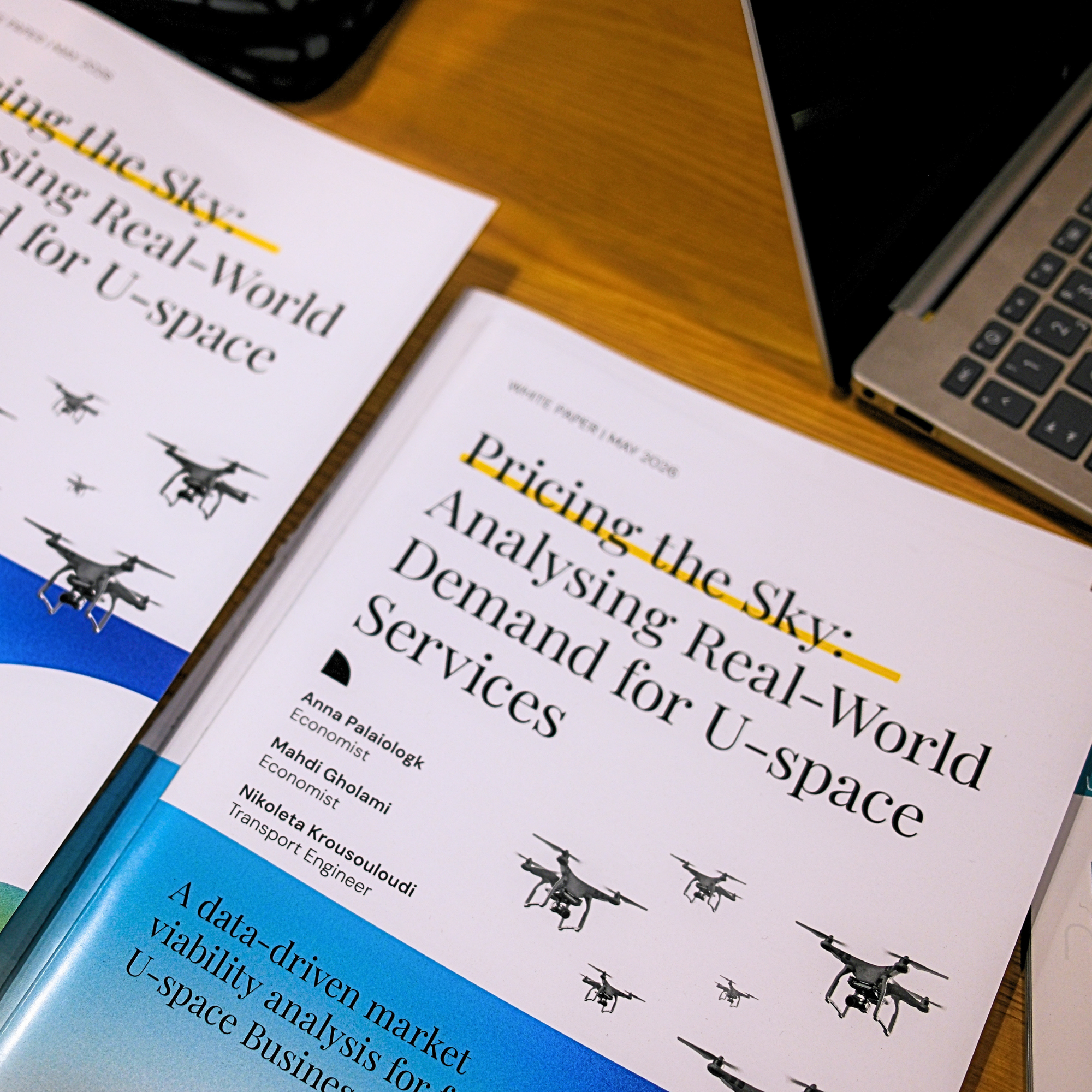
Editorial & digital content: We design white papers, reports, factsheets, social media visuals, and digital assets that communicate project messages with clarity, consistency, and strategic purpose.
Effective communication ensures that research is not only visible but also understood, trusted, and continuously engaging throughout the project lifecycle. In research projects, communication plays a strategic role in strengthening stakeholder engagement, supporting the uptake of results, and increasing visibility across research, industry, policy, and society.
Strategy: We develop structured Dissemination, Communication & Exploitation (DCE) plans that align communication activities with project objectives, target audiences, and expected impacts. Our approach combines audience mapping, key messaging, channel selection, and engagement planning to ensure communication is consistent, strategic, and impact-driven throughout the project lifecycle.
Content: We create articles, interviews, press releases, podcasts, and other communication content that translate complex research into clear and engaging narratives.
Social Media & Newsletters: By managing social media channels and newsletters, we help projects maintain an active and consistent digital presence through audience-focused content and continuous communication activities.
Events: We organise and support workshops, webinars, conferences, and project events that bring stakeholders together, encourage dialogue, and create opportunities to showcase project activities and results.
Dissemination ensures that research results reach the right audiences, remain accessible, and create value beyond the project’s lifetime. A strong dissemination approach supports scientific knowledge exchange, increases the visibility and uptake of results, and contributes to the long-term impact and exploitation of project outcomes.
Scientific outputs: We coordinate the creation of scholarly content, supporting publications and ensuring outputs are well-structured, submitted, and aligned with project objectives.
Open science: We support open access publishing, open-source strategies, databases, repository submissions, and the creation of reusable resources and frameworks, ensuring project results are freely accessible, reusable, and aligned with open science principles.
Scientific events: We organise conferences, workshops, clustering activities, and other scientific events, while also helping partners identify and coordinate participation in relevant opportunities to maximise the visibility of their research.
Promotion: We ensure scientific results are effectively communicated and promoted through the right channels to reach relevant research and innovation communities.
Exploitation helps research results move beyond the project and create long-term scientific, societal, and economic value. By identifying pathways for uptake, adoption, collaboration, and future use, exploitation supports the long-term sustainability and impact of project outcomes. We make sure exploitation is more than a paragraph in the grant. We help turn it into a practical and collaborative process with clear actions, ownership, and follow-up.
Exploitation strategy & Key Exploitable Results (KERs): We support projects in identifying KERs, defining exploitation strategies, and creating realistic pathways for uptake, deployment, and long-term sustainability. From open-source resources and policy recommendations to commercial opportunities and stakeholder adoption, we help researchers understand how their results can create value beyond the funding period.
IPR monitoring & management: We support the monitoring and management of intellectual property rights throughout the project lifecycle, helping partners define ownership, access rights, and protection strategies that support collaboration, future use, and exploitation goals.
Value-chain mapping & stakeholder analysis: We identify the key stakeholders, value chains, and innovation ecosystems connected to your research, helping projects understand where their results create value, who can support future uptake, and how outcomes can be integrated into real-world environments.
Market analysis & business planning: We assess market opportunities, target users, and future adoption pathways while supporting sustainability and exploitation planning. Our multidisciplinary team combines social science, research policy, and technical understanding to help projects think beyond short-term impact and focus on real-world value, usability, and adoption.
Standardisation: We help projects identify relevant standardisation opportunities and support activities that strengthen interoperability, wider adoption, ecosystem integration, and the long-term usability of project results.
Reporting: We coordinate and monitor exploitation activities throughout the project lifecycle, ensuring progress, uptake opportunities, and outcomes are clearly documented and aligned with project objectives and EU requirements. We work closely with project partners to facilitate collaboration, support decision-making, and adapt exploitation pathways as project results evolve.
Capacity building helps research create impact beyond the project itself by turning knowledge, innovation, and policy insights into practical skills and shared learning. Through capacity-building and skills development activities, we help make research more accessible, actionable, and valuable for different audiences, sectors, and communities.
Curriculum development: We design educational programmes, learning pathways, and training frameworks that translate research findings and innovation outcomes into structured and accessible learning experiences tailored to different audiences, sectors, and skills needs.
Training materials development: We create engaging learning resources, including toolkits, manuals, educational videos, podcasts, and digital content that support knowledge transfer, competence development, and continuous learning.
E-learning platforms: We develop digital learning environments that support flexible and continuous learning while encouraging participation, accessibility, and stakeholder engagement.
Capacity-building workshops & webinars: We organise interactive workshops, webinars, bootcamps, and training activities that encourage peer learning, collaboration, and hands-on skills development. Through practical learning approaches, we help participants build confidence and apply knowledge in real-world contexts.
Virtual Think Tanks (VTTs): We create digital collaboration spaces that bring together researchers, professionals, policymakers, and other stakeholders to exchange knowledge, co-create ideas, and support continuous learning and cooperation around shared challenges and topics.
Apps & games: We develop interactive applications and gamified learning experiences that make complex topics more engaging while supporting experiential learning, participation, and skills development across different educational settings.
Hackathons: We design collaborative and innovation-driven activities that bring multidisciplinary teams together to encourage creativity, problem-solving, and knowledge exchange around real-world challenges.
Event & outreach activities: We organise educational events and engagement activities that make research and innovation more accessible, interactive, and inspiring for wider audiences.
Policy recommendations: We support the development of policy-oriented recommendations and educational frameworks that contribute to skills development, educational innovation, and long-term societal impact.
Clusters bring together researchers, industry, policymakers, and communities to exchange knowledge, build partnerships, and support innovation around shared challenges and priorities.
Cluster development & coordination: We support the creation and coordination of clusters that connect stakeholders across research, industry, and policy around shared goals and innovation areas.
Community building: We facilitate communication, collaboration, and networking between members, helping create active communities that encourage knowledge exchange and future partnerships.
Clustering activities: We organise networking events, workshops, and collaborative activities that strengthen cooperation and encourage the exchange of expertise across projects and sectors.
Matchmaking: We help identify synergies and collaboration opportunities between organisations, researchers, and other stakeholders within the cluster.
Visibility: We support the communication and promotion of cluster activities, opportunities, and achievements to strengthen visibility and attract new members and collaborators.
Sustainability: We help clusters develop long-term engagement strategies that support continued collaboration and impact beyond the project lifecycle.